
Deciding between cabinet painting vs cabinet replacement is one of the most common questions homeowners face when updating a kitchen. Cabinets take up a large portion of the visual space, so changing them can dramatically affect how the room looks and feels. At the same time, this decision often comes with concerns about cost, disruption, and whether the results will hold up long term.
Many homeowners feel stuck choosing between two extremes. Painting cabinets can seem like the more affordable, less invasive option, but some worry it may only be a temporary fix. Full replacement offers the promise of a brand-new kitchen, yet the price tag, timeline, and construction impact can feel overwhelming. Without clear comparisons, it’s easy to second-guess the choice or assume one option is always better than the other.
This comparison is designed to help clarify the real differences between painting cabinets and replacing them. It focuses on what actually changes, what stays the same, and how each option affects daily life, appearance, and long-term value. By understanding these factors upfront, homeowners can make a confident decision that aligns with their budget, goals, and the condition of their existing kitchen.
What’s the Real Difference Between Cabinet Painting and Cabinet Replacement?
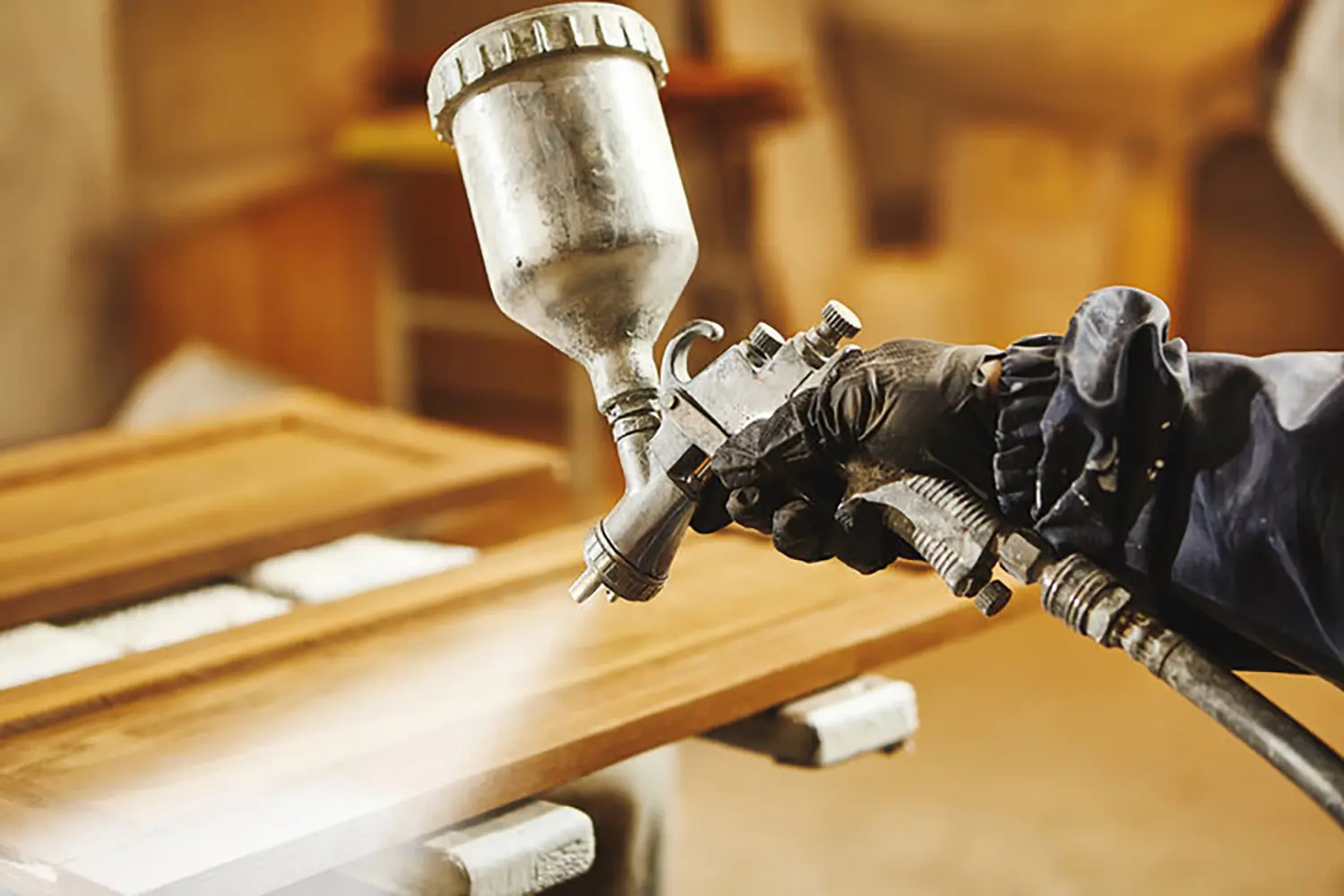
Cabinet painting changes how your kitchen looks, not how it functions. The doors are cleaned, prepped, and coated with durable finishes, but the cabinet dimensions, storage layout, and hardware placement typically stay as they are. This makes painting a visual and cosmetic upgrade rather than a structural one.
The core difference between cabinet painting and replacement comes down to what changes and what stays in place. With cabinet painting, the existing cabinet boxes, doors, and layout remain the same. The update is focused on the surface finish, color, and overall appearance rather than the structure itself.
Cabinet replacement allows for deeper changes that painting cannot provide. When cabinets are replaced, homeowners can alter the layout, adjust cabinet sizes, add storage features, or change how the kitchen flows. New boxes, doors, and hardware are installed, which opens the door to redesigning the space entirely.
These differences matter because function and layout directly affect how a kitchen works day to day. If the existing cabinet layout meets your needs and is structurally sound, painting focuses on appearance without unnecessary disruption. If the layout no longer works or the cabinets themselves are failing, replacement becomes a more practical solution despite the added cost and complexity.
How Much Does Cabinet Painting Cost Compared to Replacement?
Cost is often the biggest factor driving the cabinet painting vs cabinet replacement decision. While both options can improve a kitchen’s appearance, the price difference between them is significant.
Professional cabinet painting typically falls within a much lower range because it reuses existing materials. Most homeowners can expect cabinet painting to cost a fraction of full replacement, especially when the cabinets are in good condition and don’t require extensive repairs.
Cabinet replacement is one of the more expensive kitchen upgrades because it involves new materials, labor, and often additional trades. Costs can escalate quickly depending on cabinet quality, layout changes, and installation complexity.
Several factors influence where each option lands within its price range:
- Cabinet size and number of doors and drawers
- Condition of existing cabinets and prep work required
- Paint system and finish quality for painting projects
- Stock, semi-custom, or custom cabinetry for replacement
- Labor costs, demolition, and disposal for replacement
- Additional work like countertops, backsplashes, or plumbing adjustments
Because painting focuses on surface transformation, costs are more predictable and controlled. Replacement introduces more variables, which can make budgets harder to manage. Understanding these cost drivers helps homeowners compare options realistically instead of relying on rough averages that may not reflect their specific kitchen.
How Long Does Each Option Take and How Disruptive Is It?
Timeline and daily disruption are major considerations when choosing between painting cabinets vs replacing them. Even if the final results are appealing, the process itself can impact how livable your home feels during the project.
Cabinet painting projects are usually completed in a shorter window. Most professional jobs take several days to about a week, depending on kitchen size and prep requirements. Much of the work happens off-site or in controlled areas, which helps limit dust, noise, and daily interruption.
Cabinet replacement takes longer and is more disruptive by nature. Removing old cabinets, installing new ones, and coordinating additional trades often stretches the timeline to several weeks. During this period, parts of the kitchen may be unusable, and access to appliances can be limited.
Day-to-day life looks different during each process:
- Painted cabinets typically allow homeowners to remain in the home with minimal adjustment
- Replacement often requires temporary kitchen setups or eating out more frequently
- Painting produces less noise and debris compared to demolition
- Replacement involves more foot traffic, construction noise, and scheduling coordination
For homeowners who want faster results with less interruption, painting is usually easier to live with. Replacement may be worthwhile for larger renovations, but it requires planning for a longer period of inconvenience.
How Different Will Your Kitchen Look After Painting vs Replacing Cabinets?
The visual impact of cabinet painting versus replacement depends on how much change you’re hoping to see. Both options can refresh a kitchen, but they do so in very different ways.
Cabinet painting offers a dramatic surface-level transformation. Changing the color, sheen, or finish can modernize a kitchen, brighten the space, or better match updated countertops and backsplashes. Painted cabinets can look clean, updated, and intentional when the underlying cabinet style is still relevant, especially when aligned with cabinet painting trends that favor timeless colors and finishes.
Replacement creates the most visible change because it allows for new cabinet styles, sizes, and configurations. Door profiles, drawer depths, storage features, and overall proportions can all be redesigned. This makes replacement better suited for homeowners seeking a complete visual overhaul rather than a refresh.
There are limits homeowners should understand before choosing:
- Painting cannot change cabinet door style, box dimensions, or layout
- Visible wear, outdated designs, or awkward configurations remain after painting
- Replacement allows changes to storage capacity and kitchen flow
- New cabinetry can fully redefine the kitchen’s look and function
Painting works best when the existing cabinets already fit the space well. Replacement makes sense when the current design itself feels dated or inefficient, not just the color.
How Long Do Painted Cabinets Last Compared to New Cabinets?
Longevity is a common concern when weighing cabinet painting vs cabinet replacement. Homeowners want to know whether painting is a short-term solution or a durable upgrade that holds up over time.
Professionally painted cabinets can last many years when the preparation and materials are done correctly. Proper cleaning, sanding, priming, and high-quality coatings create a hard, washable surface designed for daily kitchen use. In many homes, painted cabinets maintain their appearance for a decade or longer with normal care.
New cabinets are built for long-term durability, but lifespan varies based on construction quality. Solid wood or plywood cabinets generally last much longer than lower-grade particleboard options. Factory-applied finishes are durable, but they are not immune to wear, moisture, or impact damage over time.
Maintenance expectations differ between the two options:
- Painted cabinets may need gentle cleaning and occasional touch-ups in high-contact areas
- Painted finishes benefit from avoiding harsh cleaners and excessive moisture
- New cabinets often require less early maintenance, especially with factory finishes
- Lower-quality replacement cabinets can show wear sooner than well-painted solid wood cabinets
Longevity depends as much on quality and care as on the option chosen. A well-executed painting project can outlast poorly made replacement cabinets.
When Does Cabinet Painting Make Sense for a Home?
Cabinet painting is often the right choice when the existing cabinets are structurally sound and still meet the household’s functional needs, especially for homeowners looking to refresh the space through monochromatic color schemes rather than a full redesign. If the boxes are solid, the doors close properly, and storage works well, painting can deliver a meaningful upgrade without unnecessary expense.
Certain cabinet conditions are especially well suited for painting. Solid wood cabinets with simple door styles tend to accept paint well and produce smooth, long-lasting results. Minor cosmetic flaws, outdated colors, or worn finishes are typically easy to address through proper prep and coatings.
Painting also makes sense in specific budget and timeline situations:
- When homeowners want to improve the kitchen without a full remodel
- When timelines are tight and extended construction isn’t practical
- When budget limits rule out full cabinet replacement
- When the kitchen layout already works and doesn’t need changes
In these scenarios, painting offers strong value with minimal compromise. It updates the look of the kitchen, extends the life of existing cabinets, and avoids the cost and disruption of replacement. For many homes, especially those planning other upgrades later, painting provides a practical balance between improvement and investment.
When Is Cabinet Replacement the Smarter Choice?
Cabinet replacement becomes the better option when the existing cabinets limit both performance and long-term results. Painting can improve appearance, but it cannot correct structural problems or design shortcomings built into the cabinets themselves.
Certain cabinet conditions make painting a poor investment. Cabinets with warped boxes, failing joints, or significant water damage may not hold paint properly or function reliably over time. In these cases, applying a new finish does little to solve the underlying issues.
Replacement is also necessary when the kitchen’s layout no longer works for how the space is used. If storage is inadequate, appliances feel cramped, or traffic flow is awkward, new cabinetry allows those problems to be addressed directly.
Situations where replacement is typically the smarter choice include:
- Cabinets made from low-quality materials that are breaking down
- Structural damage that affects door alignment or drawer function
- Layout limitations that restrict storage or usability
- Major kitchen renovations planned as a long-term investment
While replacement costs more and takes longer, it offers the ability to rebuild the kitchen from the ground up. For homeowners planning to stay in the home long term or aiming for a full renovation, replacement can provide better value and satisfaction than trying to refresh cabinets that no longer serve the space well.
How to Decide Between Cabinet Painting and Cabinet Replacement
Choosing between cabinet painting and replacement comes down to weighing tradeoffs rather than looking for a single “right” answer. Each option solves a different type of problem, and the best choice depends on how well your existing cabinets support your goals.
Start by comparing the core tradeoffs side by side. Painting focuses on appearance, speed, and cost control. Replacement focuses on structure, layout, and long-term redesign. Understanding which of those matters more in your situation helps narrow the decision quickly, especially when broader interior painting techniques are used to create visual flow beyond just the cabinets.
Key factors to consider include:
- Overall condition of the existing cabinet boxes and doors
- Whether the current layout meets your storage and workflow needs
- Budget flexibility and tolerance for unexpected costs
- Timeline expectations and how much disruption is realistic
- Long-term plans for the home, including resale or future renovations
Many homeowners underestimate how much cabinet condition influences the outcome. A professional evaluation can identify issues that aren’t obvious, such as hidden damage, material limitations, or prep challenges. Getting expert input early helps prevent regret by ensuring the chosen option aligns with both the kitchen’s realities and the homeowner’s expectations.
If you’re considering cabinet painting and want to know whether your cabinets are a good fit, a professional assessment from Marsh Paint Co. can help you decide with confidence. Our team evaluates cabinet condition, explains what results are realistically achievable, and walks you through finish options, timelines, and expectations before any work begins.
Scheduling a cabinet painting consultation with Marsh Paint Co. gives you clear answers upfront and helps ensure your kitchen update is the right investment for your home.