
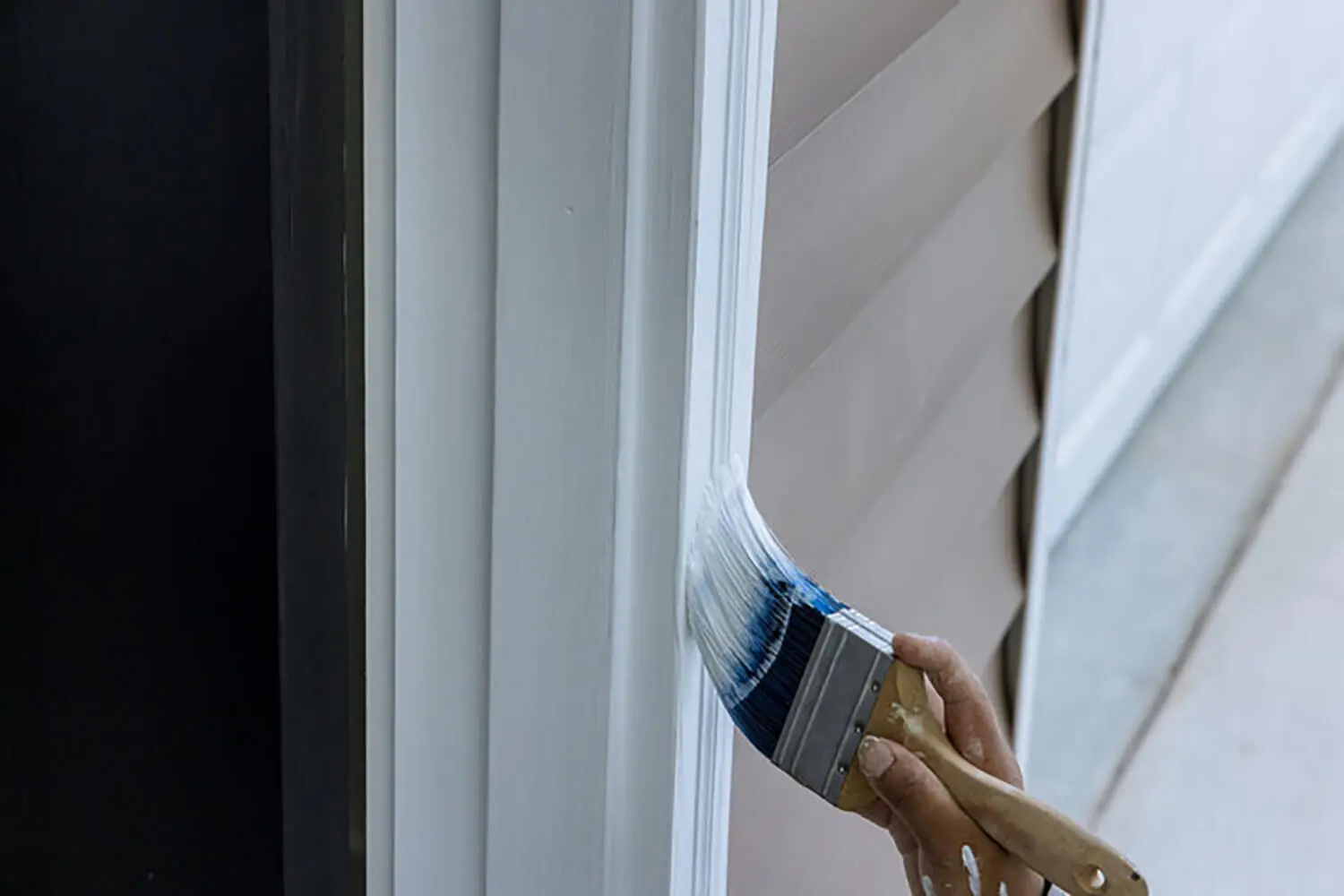
The best time to paint the exterior of a house in Melbourne, FL isn’t just about warm weather. With Florida humidity, quick afternoon storms, and strong sun in the mix, timing plays a big role in whether the paint cures properly or starts showing issues too soon.
Most homeowners asking this question are trying to avoid the same headaches: peeling paint, bubbling, mildew that keeps coming back, or a project that turns into constant weather delays.
The tricky part is that Melbourne can feel “paintable” for a lot of the year, but not every stretch of weather gives paint the dry surfaces and steady conditions it needs. And if the timing isn’t right, even a well-done job can have a harder time holding up long-term.
This guide breaks it down in practical terms. You’ll learn what good painting weather actually means here, how each season typically affects exterior work, and how to choose the best window based on your home’s condition and exposure.
What “Good Painting Weather” Actually Is In Melbourne, FL
In Melbourne, “good painting weather” isn’t just warm temperatures. It’s really about dry surfaces and predictable conditions that let paint dry and cure the way it’s supposed to.
That’s because exterior paint needs time to bond properly. If the surface is damp, the air is too humid, or rain shows up too soon, you can end up with problems that don’t always show right away.
Here are the conditions that matter most:
- Temperature (including overnight lows) – Warm daytime temps help, but curing doesn’t stop at sunset. Cooler nights can slow the cure process and leave paint vulnerable longer than expected.
- Humidity – High humidity slows drying and can cause finish issues, especially if moisture hangs in the air day after day. It can also make surfaces stay damp longer than they look.
- Rain risk – In Florida, it’s not just “will it rain today.” It’s whether storms can show up quickly and re-wet surfaces before the coating has time to set.
- Surface dryness – Morning dew is a real factor here, and shaded siding can stay damp long after the sun is up. If the surface isn’t fully dry, the paint may not bond the way it should.
- Sun exposure and wind – Hot sun can heat up siding fast, especially on west-facing walls. Paint can dry too quickly, which sometimes leads to uneven finish or lap marks. Wind can also speed up surface drying in ways that change how paint lays down.
These details matter long-term. When conditions are right, paint bonds better, cures more evenly, and is much less likely to peel, blister, or wear out early.
That’s why timing in Melbourne is really about finding the most stable stretch of workable weather, not just picking the hottest season and hoping for the best.
Why Fall Is Often the Best Time to Paint in Melbourne, FL
If you ask local painters when the smoothest exterior projects tend to happen, fall is usually at the top of the list. It’s not because fall is “cool” in the traditional sense, but because conditions are often more predictable than summer.
In Melbourne, fall tends to bring fewer daily storm interruptions. You’re still dealing with Florida weather, but you’re not as likely to get those afternoon thunderstorms that can stop work mid-day and re-wet surfaces right after prep.
Fall is also easier on the coatings themselves. Temperatures are generally more comfortable, and paint can dry and cure in a more consistent way compared to peak heat and humidity.
Here’s what fall typically does well for exterior painting:
- More stable drying conditions day to day
- Better odds of stacking multiple dry workdays in a row
- Less stop-and-start scheduling during prep and coating stages
That stability matters because exterior painting isn’t just one step. Crews need time to wash, prep, prime when needed, and apply coats without constantly losing progress to weather.
The one thing to watch for is that fall isn’t completely “storm-free.” Late-season tropical systems can still affect scheduling, especially in early fall.
Days also get shorter, which slightly reduces the daily working window. It doesn’t usually derail a project, but it can affect how much gets done in a single day.
Overall, fall is often the best season for exterior painting in Melbourne because it gives you a better chance of steady progress and clean curing conditions.
Why Spring Can Be a Great Time to Paint Too (Before the Humidity Kicks Up)
Spring is another strong window for exterior painting in Melbourne, especially if you’re trying to get ahead of the heavier summer weather pattern.
You still get warm temperatures, but you’re not always dealing with peak humidity every single day. That balance makes spring easier for both scheduling and paint performance.
One of the biggest advantages is that it’s often simpler to plan consecutive workdays. When a crew can move through prep, priming, and coats without long gaps, the whole project tends to run cleaner and faster.
Spring does come with a couple of local challenges, though.
Humidity usually starts rising as spring shifts toward early summer. So early spring can feel very different from late spring, even within the same season.
Pollen and spring debris can also affect cleaning and prep. It doesn’t mean you can’t paint, but it does mean the washing and surface prep stage matters if you want the finish to hold up.
Spring is often a great fit for:
- Full exterior repaints where you want a smooth start-to-finish schedule
- Homeowners trying to finish before summer storms become more consistent
- Projects where crews need multiple dry days in a row for proper prep and curing
If you’re planning ahead, spring is one of the best times to paint the exterior of a house because it often offers a good balance of warmth, lower storm disruption, and workable drying conditions.
Why Summer Painting Is Tricky in Melbourne (But Still Possible)
Summer is usually the hardest season to schedule exterior painting in Melbourne, not because it can’t be done, but because the margin for error is smaller.
Humidity stays high, which slows drying and can affect how paint cures. When moisture hangs in the air all day, surfaces can hold dampness longer than they look, especially on shaded sides of the home.
Then you add in the afternoon thunderstorms. Even if the morning starts clear, storms can roll in fast, interrupt work, and re-wet surfaces right after prep or application.
Strong sun is another challenge. Walls can heat up quickly, especially on west-facing sides, which is why Florida summer colors are often chosen to better handle heat and light exposure. That can lead to an uneven finish if sections dry before they can blend properly.
Common summer-specific risks include:
- Uneven finish or lap marks when paint flashes too quickly
- Adhesion problems if surfaces are too hot or still holding moisture
- Longer wait times after rain, dew, or washing before paint can go on
The good news is that pros paint exteriors in summer all the time. They just adjust the strategy.
That usually means starting earlier in the day, planning around typical storm windows, and working in phases based on sun exposure. For example, painting the east side first while it’s cooler, then shifting to the west side later when conditions are safer for the finish.
It also means allowing extra time for surfaces to fully dry after rain and morning dew. Summer projects can still turn out great, but they depend more on timing, sequencing, and a stable forecast than any other season.
Why Winter Painting Can Work in Melbourne, FL
Winter surprises a lot of homeowners in Melbourne. It’s not “cold winter” the way people picture up north, and in many cases, it can actually be a workable time to paint.
One of the biggest benefits is that winter often feels less humid than summer. You’re also less likely to deal with daily pop-up storms, which makes scheduling easier and gives paint a better chance to stay dry while it sets.
Temperatures are often comfortable during the day as well. For crews, that can make the work smoother, and for the paint, it can mean more stable application compared to extreme summer heat.
That said, winter isn’t an automatic yes.
Cold fronts can move through and shift conditions quickly. Cooler nights can slow curing, which means paint may stay vulnerable longer before it fully hardens.
Morning dew can also be a bigger factor than people expect. Shaded areas, especially on the north side of a home or under heavy tree cover, may stay damp longer and need extra time before they’re ready for paint.
Winter days are also shorter. That reduces the daily working window and can slightly extend the overall project timeline.
Winter tends to be a good option when the forecast shows a stable stretch of mild daytime temperatures and low rain risk. It can also work well for homeowners who have more flexibility on timing and don’t need the project done as fast as possible.
With the right conditions, winter can be a smart choice for exterior painting in Melbourne. The key is picking a stable weather window, not assuming every winter week will perform the same.
When You Should Paint ASAP (Even If the Timing Isn’t Perfect)
Sometimes the “best time” question becomes less important, because your exterior is already sending signals that it shouldn’t be put off.
In a humid, coastal Florida climate, small problems can turn into bigger repairs faster than people expect. If the paint is already failing, the goal shifts from perfect timing to protecting the home before things get worse.
Here are signs it’s worth painting as soon as you have a workable weather window:
- Peeling or flaking paint – Once paint is peeling, the surface underneath is exposed to moisture and sun. That’s when deterioration speeds up.
- Bare wood or exposed substrate – Any exposed material is vulnerable. Even if it’s a small area, it can allow moisture to soak in and create more prep work later.
- Bubbling or lifting paint – This often points to trapped moisture or poor adhesion. If it keeps spreading, it usually means more scraping and repairs ahead.
- Heavy fading and chalky residue – Florida sun can break paint down until it turns powdery. Once that happens, the surface has to be properly cleaned and stabilized before new paint can hold.
- Recurring mildew staining – If mildew keeps coming back, it’s often a sign the coating is no longer protecting the surface the way it should.
Waiting too long in Melbourne can increase cost because the job becomes more prep-heavy, which often extends the overall exterior painting timeline. More scraping, more repairs, more priming, and more time spent rebuilding a surface that could have been protected sooner.
The key takeaway is simple: if your exterior is already failing, the best time to paint the exterior of a house becomes the next stable stretch of workable weather, not a perfect season on the calendar.
How to Pick the Best Time for Your Home (A Simple Decision Guide)
At this point, you’ve probably noticed the pattern. The best time to paint isn’t really a single month. It’s a stretch of stable weather where surfaces can stay dry and the paint can cure properly.
Here’s a simple way to decide what makes the most sense for your home.
- If your exterior is in good shape and you’re planning ahead, aim for the most stable stretch of dry weather, which is often spring or fall in Melbourne. These seasons usually offer fewer interruptions and more consistent curing conditions.
- If paint is failing or surfaces are exposed, don’t wait for the “perfect” season. Book the next workable weather window so the home is protected sooner. In these cases, prep and priming matter more than the calendar.
- If your home is close to the coast or gets constant sun, coastal exposure can wear paint faster because of wind-driven rain, salt air, and higher moisture levels. West-facing walls also take more heat stress, which can affect both appearance and long-term durability.
Before you lock in dates, it helps to consider:
- Surface condition and how much prep may be required
- Sun and shade patterns around the home
- Material type (stucco, wood, fiber cement, and others)
- Forecast trends that support proper curing, not just “warm days”
This is also where professional guidance can make planning easier. Pros know what to look for on the home, how local conditions typically behave, and how to schedule around weather patterns so the paint has the best chance to cure properly.
Wrap-Up: The Best Time Is a Stable Window — Not a Perfect Month
After looking at how Melbourne weather actually affects drying and curing, the main takeaway is pretty simple. The best time to paint the exterior of a house isn’t a perfect month on the calendar — it’s a stable window where surfaces stay dry and the forecast cooperates long enough for the paint to cure properly.
That’s why fall and spring often come out on top. They usually offer a better balance of warmth, lower storm disruption, and more consistent conditions for steady progress.
Summer and winter can still work, but they tend to require more careful timing. Summer brings humidity, heat, and pop-up storms. Winter is often more workable, but dew, shorter days, and cooler nights can tighten the daily schedule.
No matter the season, long-lasting results come down to the same two things: choosing the right window and doing the right prep. When those pieces line up, the project runs smoother and the finish has a much better chance of holding up.
If you’re planning an exterior repaint in Melbourne, FL, Marsh Paint Co. can evaluate your home’s condition, recommend the right timing, and guide the process through professional exterior painting services designed for Florida’s climate.