
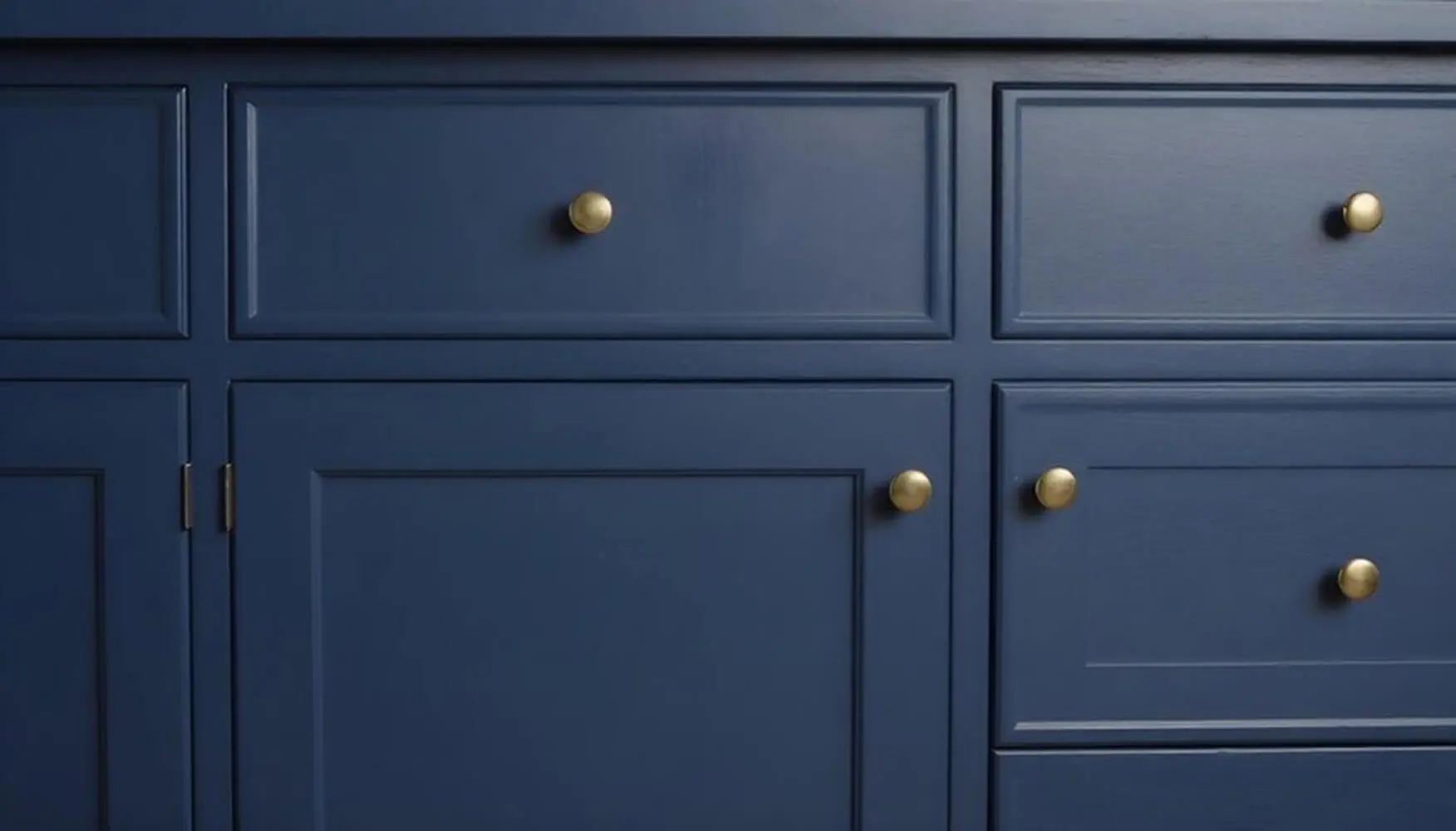
When your kitchen cabinets start looking worn or outdated, a full replacement isn’t always the answer. Two options tend to come up in the conversation: cabinet painting and cabinet refacing. Both can give your kitchen a noticeably different look without tearing everything out and starting over.
The problem is that most homeowners aren’t sure what separates the two. They sound similar, and both get described as ways to “refresh” cabinets — but the scope, cost, and end result are different enough that choosing the wrong one can mean paying for more than you needed, or not getting the outcome you expected.
Understanding cabinet painting vs cabinet refacing comes down to knowing what each process actually changes, what it leaves alone, and what kind of kitchen it works best for.
This guide breaks down both options clearly. You’ll learn what each process involves, how they differ on cost and timeline, and which one tends to fit which situation. By the end, you’ll have a clear enough picture to know which direction makes sense for your home.
What Cabinet Painting Involves
Cabinet painting is a surface-level update. The goal is to change the color and finish of your existing cabinets without altering their structure, layout, or hardware configuration.
Here is what the process typically looks like:
- Doors and drawer fronts are removed
- Surfaces are cleaned, sanded, and deglossed
- A primer coat is applied to help the paint bond
- Paint is applied in multiple thin coats
- Everything is reassembled after the finish cures
The cabinet boxes stay in place the entire time. The layout of your kitchen does not change. What changes is how everything looks.
Prep work is the part that determines how well the finish holds up over time. A professional painter will spend significant time on surface preparation before a single coat of paint goes on. Skipping or rushing that stage is what leads to chipping, peeling, and early wear.
On the finish side, painting opens up a wide range of options. You can go with virtually any color and choose between matte, satin, or semi-gloss finishes depending on the look you want and how much traffic your kitchen sees.
Cabinet painting works best when the cabinet doors and boxes are structurally sound. If the bones are good and the goal is a color change or a cleaner, more updated appearance, painting is a straightforward path to get there.
What Cabinet Refacing Involves
Cabinet refacing goes a step further than painting. Instead of changing the finish, refacing replaces the visible surfaces of your cabinets with new material.
Here is what the process typically includes:
- Cabinet doors and drawer fronts are removed and replaced with new ones
- A thin veneer or laminate is applied directly to the cabinet boxes
- Hardware such as hinges and pulls is replaced as part of the process
- The interior of the cabinets and the overall layout stay the same
Like painting, refacing leaves the cabinet structure and kitchen layout untouched. The difference is in what gets replaced versus what gets refinished. With refacing, the doors, drawer fronts, and box surfaces are all new material rather than a painted-over version of what was there before.
The material options for refacing include:
- Wood veneer
- Thermofoil
- Laminate
Each material comes with its own look, durability profile, and price point. A contractor or painting professional can walk you through which option fits your kitchen and budget.
Refacing makes the most sense when the cabinet doors or drawer fronts are worn, warped, or damaged in a way that paint cannot fix. It also fits homeowners who want a change in material or texture rather than just a new color. If the goal is a more substantial visual shift while still keeping the existing cabinet layout, refacing gives you that without the cost of a full replacement.
How They Compare on Cost and Timeline
Before choosing between the two options, it helps to understand how they differ on the two factors most homeowners weigh first: what it will cost and how long it will take.
Cost
Cabinet painting is generally the lower-cost option. The materials involved are straightforward, and the labor centers on prep and application rather than fabrication or installation of new components.
Refacing costs more. New doors, drawer fronts, and veneer material all need to be fabricated and installed. That added scope is reflected in the price.
A few factors affect the final number for either option:
- The size of your kitchen and total number of cabinets
- The condition of the existing surfaces
- The materials and finish selected
- The complexity of the cabinet configuration
Neither option has a single fixed price. Any estimate you receive will be based on your specific kitchen. Treating ballpark figures from the internet as reliable is a common mistake that leads to budget surprises later.
Timeline
Painting is typically the faster process. Once the prep work is done, a professional crew can complete the painting and curing process within a few days depending on kitchen size.
Refacing takes longer. New doors and drawer fronts need to be fabricated before installation can begin. That fabrication period adds time to the overall project before any work happens in your kitchen.
Key variables that affect timeline for both:
- Kitchen size and cabinet count
- Material availability for refacing orders
- Dry and cure time for painting
Neither timeline is prohibitive for most homeowners. The difference is worth knowing so you can plan accordingly.
Which Option Fits Which Situation
Cost and timeline matter, but the most useful question is simpler: what do your cabinets actually need?
The answer to that question points you toward the right option faster than any other factor.
Cabinet painting fits when:
- The cabinet doors and boxes are in good structural condition
- The goal is a color change or a fresher, more updated appearance
- The existing style and profile of the doors works for the space
- Budget is a primary consideration
Cabinet refacing fits when:
- The doors or drawer fronts are warped, damaged, or worn beyond what paint can address
- The goal is a change in material or texture, not just color
- You want new hardware as part of the update
- A more significant visual shift is the priority without touching the layout
Both options fit when:
- The cabinet layout works well and a full replacement is not necessary
- The interior boxes are structurally sound
- The goal is an updated kitchen without a full remodel budget
One thing worth noting is that a professional assessment makes this decision easier. What looks like a surface problem to a homeowner is sometimes a structural one, and the reverse is also true. A contractor who works with cabinets regularly can look at your specific situation and tell you which direction makes sense before you commit to either path.
You do not need to walk into this decision already knowing the answer. Getting an expert opinion early saves time and prevents paying for the wrong solution.
Making the Right Call for Your Cabinets
Cabinet painting and cabinet refacing solve different problems. Painting changes the finish. Refacing changes the surface material and hardware. The cabinet structure and layout stay the same either way.
Both are legitimate options. Neither is categorically better than the other. The right choice depends on what your cabinets look like now and what outcome you are trying to reach.
A few things to take stock of before moving forward:
- Are the doors and drawer fronts in good condition, or are they showing wear that paint cannot fix?
- Is a color change enough, or do you want a change in material and texture?
- What is your timeline and budget for the project?
Answering those questions honestly will point you in the right direction. If you are still not sure after working through them, that is a normal place to be. These decisions are easier to make once someone with experience looks at your specific cabinets and gives you a direct recommendation.
Marsh Paint Co. works with homeowners in this exact situation. If you are weighing cabinet painting vs cabinet refacing and want a clear answer based on what your kitchen actually needs, reach out for a consultation today to take the practical next step. There is no pressure to commit to anything during that conversation. The goal is simply to give you the information you need to move forward with confidence.