
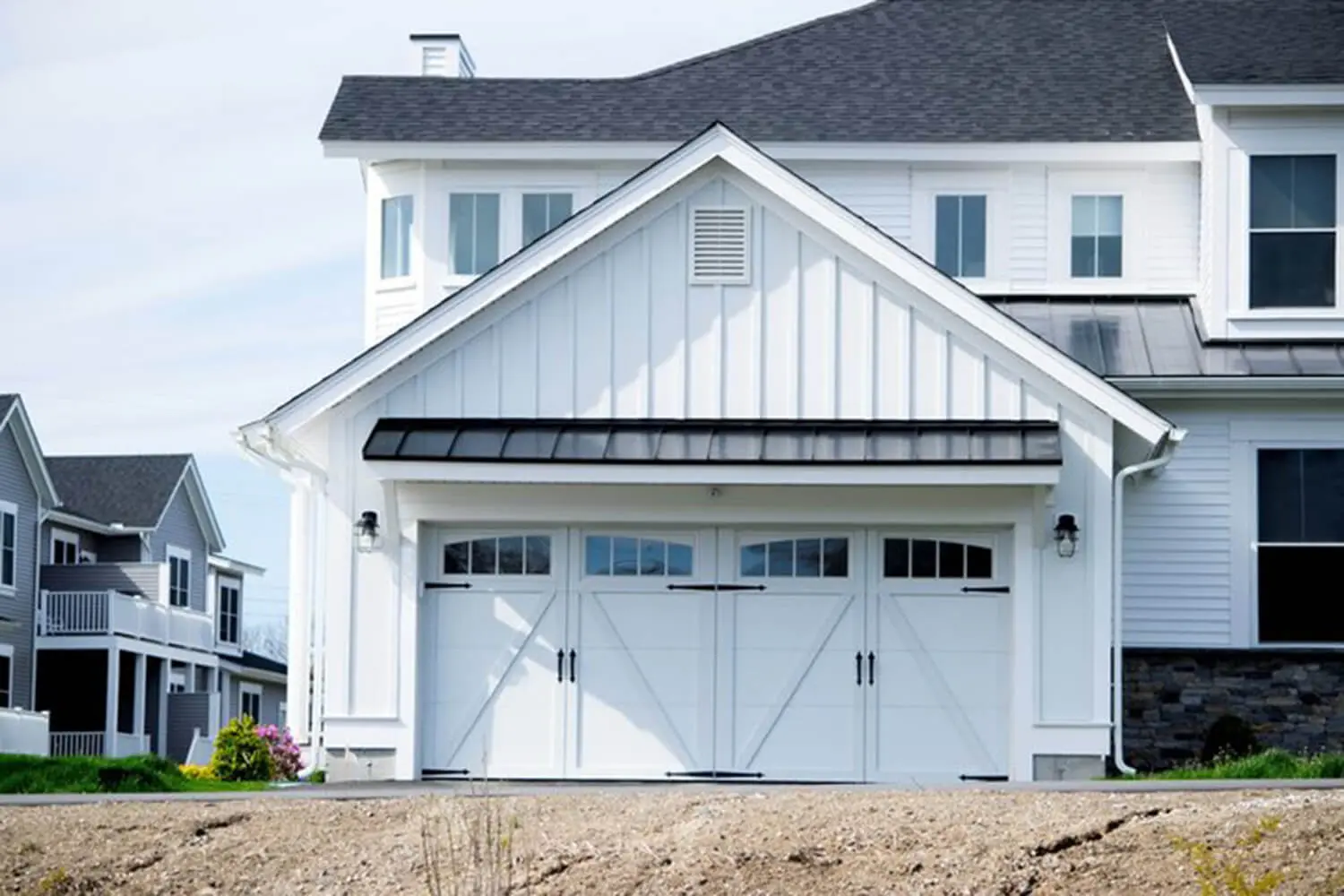
If you own a home in Satellite Beach, you may have noticed your exterior paint fading, peeling, or chalking sooner than you expected. It can be easy to assume the paint was low quality or the job was done poorly. In most cases, neither is true.
The real cause is the environment.
Satellite Beach sits along Florida’s Space Coast, where salt air, relentless sun, and high humidity are constants. These conditions put exterior paint under pressure that most inland homes never experience. The result is a protective layer that wears down faster, sometimes years ahead of what the manufacturer’s timeline suggests.
Understanding how coastal conditions affect exterior paint in Satellite Beach helps you make sense of what you’re seeing on your home. It also helps you recognize when wear has moved past a cosmetic issue and into something that needs attention.
This post breaks down each major coastal factor, what it does to exterior paint, and why the wear patterns on coastal homes often look different from normal aging.
Why Satellite Beach Is Harder on Exterior Paint Than Inland Areas
Exterior paint on a home in Orlando or Gainesville faces stress. But it rarely faces all of it at once.
In Satellite Beach, that changes. Coastal environments stack multiple damaging conditions on top of each other, and they run year-round without much seasonal relief. That compounding effect is what separates coastal paint wear from typical aging.
Here is what a Satellite Beach home deals with simultaneously:
- Salt air carried in from the Atlantic, settling on surfaces daily
- UV radiation intensified by coastal light and proximity to water
- High humidity that keeps surfaces in a near-constant moisture cycle
- Rain and spray events that introduce direct moisture on a regular basis
An inland home might deal with strong sun or seasonal humidity. A coastal home deals with all of it, every month of the year.
This is why exterior paint durability in Satellite Beach tends to fall short of the timelines printed on the can. Those estimates are based on average conditions. Satellite Beach is not average.
The individual stressors matter, but the bigger story is how they interact. Salt air opens the door for moisture. Moisture gets into paint that UV has already weakened. Humidity slows the drying and curing that would otherwise help paint recover. Each factor makes the others worse.
That layered pressure is what homeowners are up against, and it is worth understanding before looking at each cause on its own.
How Salt Air Breaks Down Exterior Paint Over Time
Salt air is one of the most consistent threats to exterior paint on coastal homes. It is not dramatic or immediately visible, but it works against painted surfaces every single day.
The process starts with salt particles. In Satellite Beach, wind carries these particles inland from the Atlantic and deposits them on every exposed surface, including your home’s exterior. Once they land, they do not just sit there.
Salt is hygroscopic, meaning it actively pulls moisture from the surrounding air. When salt particles settle into the surface of exterior paint, they draw moisture into the paint film itself. Over time, that trapped moisture weakens the bond between the paint and the substrate underneath, and how well exterior paint holds up depends largely on how much salt exposure the surface accumulates.
The result shows up as:
- Peeling that starts at edges, trim, and corners before spreading
- Flaking across broader flat surfaces as adhesion continues to fail
- A chalky white residue on the surface, especially after dry periods
The closer a home sits to the water, the more concentrated this exposure becomes. Homes on or near the beachfront typically see salt damage appear faster than those a few blocks inland, though no home in Satellite Beach is outside the zone of influence.
Salt also creates problems beyond the paint film itself. Metal components near painted surfaces, such as window frames, fasteners, and flashing, oxidize faster in salt air. That rust and corrosion can bleed into surrounding paint, causing staining and additional adhesion failure in those areas.
What makes salt damage easy to miss early on is that it often looks subtle at first. A slight haze. Paint that feels rough or gritty. These are early signs that the paint film is already under stress.
What Sun and UV Exposure Does to Paint on Coastal Homes
Satellite Beach averages more than 230 sunny days per year. For homeowners, that is one of the draws of living here. For exterior paint, it is a significant and ongoing source of damage.
The problem is not just heat. It is ultraviolet radiation.
UV rays break down the binders in exterior paint. Binders are the component that holds pigment to the surface and gives paint its protective integrity. As UV exposure accumulates, binders degrade and the paint begins to lose its grip on the surface and its ability to protect what is underneath.
The visible signs of UV damage include:
- Fading, especially on south and west-facing elevations that receive the most direct sun
- Chalking, where the surface takes on a dull, powdery appearance
- Cracking or flaking as the paint film becomes brittle over time
Color choice plays a role in how quickly this happens. Darker colors absorb more heat than lighter ones. On a coastal home with consistent sun exposure, dark paint can reach surface temperatures that accelerate breakdown significantly faster than the same paint in a lighter shade.
There is an additional factor specific to coastal locations. Light reflecting off the water increases UV intensity on elevations that face the ocean. East-facing walls in Satellite Beach can experience stronger UV exposure than the same wall would receive even a few miles inland.
Coastal exterior paint wear from UV is often gradual enough that homeowners do not notice it building. By the time fading or chalking is obvious, the protective layer has already been compromised for some time.
How Humidity and Moisture Accelerate Exterior Paint Wear
Humidity in Satellite Beach is not a seasonal issue. It is a baseline condition that exterior paint deals with every day of the year.
The core problem is what high humidity does to painted surfaces over time. As temperatures rise and fall throughout the day, surfaces absorb moisture from the air and then release it. This cycle repeats constantly. Paint expands slightly as it absorbs moisture and contracts as it dries out. Over months and years, that repeated movement stresses the paint film and causes it to crack, bubble, and pull away from the surface.
Direct moisture adds to the pressure. Satellite Beach receives regular rainfall, and homes close to the water also deal with ocean spray during storms and high-wind events. When moisture works into existing cracks or gaps in the paint film, it accelerates the damage that humidity has already started.
Wood substrates are especially vulnerable to this process. When moisture gets behind the paint film and into the wood underneath, the wood swells. That swelling pushes the paint outward from below, causing bubbling and eventual peeling that starts from the inside out. By the time it is visible on the surface, the substrate has often already absorbed significant moisture.
What makes this particularly relevant in Satellite Beach is that there is no dry season that allows painted surfaces to fully stabilize. Inland climates often have periods of lower humidity where paint can recover. On the coast, the moisture cycle runs year-round, giving paint very little opportunity to rest between stress events.
Even paint that was applied correctly and with quality materials will show the effects of this environment sooner than the same job would in a drier climate.
Why Coastal Paint Wear Often Looks Different From Normal Aging
When exterior paint ages normally, the wear tends to be gradual and relatively even. You might notice a slight fading across the whole surface or minor flaking in spots that get more sun. It looks like a home that is due for a repaint.
Coastal wear looks different. The patterns are uneven, sometimes dramatic, and they tend to concentrate in specific areas rather than spreading uniformly across the surface.
Here is what coastal paint wear typically looks like on a Satellite Beach home:
- Peeling that starts at edges, trim, and corners first, where salt and moisture have the easiest entry points
- Bubbling near ground level or along the base of walls where moisture collects and has less chance to evaporate
- A white haze or chalky residue across broader flat surfaces, often the first visible sign of salt damage
- Fading that is noticeably more severe on south and east-facing elevations compared to shaded or north-facing sides
- Staining or discoloration around metal components like window frames and fasteners where oxidation bleeds into surrounding paint
These patterns are easy to misread. A homeowner seeing peeling trim and bubbling near the foundation might assume the paint job was done poorly. A painter familiar with coastal conditions will account for these factors during exterior painting preparation, not just address what is visible on the surface.
In most cases, what looks like a workmanship problem is an environmental one. The same wear shows up on well-painted homes throughout Satellite Beach, often within the same general timeframe.
Recognizing these patterns for what they are matters. It changes how you interpret the condition of your home’s exterior and what kind of attention it actually needs.
What This Means for Satellite Beach Homeowners
Exterior paint on a coastal home is doing more work than most homeowners realize. It is not just a finish. It is a protective layer standing between the elements and the structure underneath.
In Satellite Beach, that layer faces salt air, intense UV radiation, and year-round humidity all at once. Each of those conditions accelerates wear on its own. Together, they shorten the lifespan of exterior paint faster than most manufacturer timelines account for.
That does not mean there is anything wrong with your home or the paint on it. It means the environment is demanding, and paint that has been doing its job in these conditions will show it.
The key is knowing when wear has moved past appearance and into function. Paint that is fading looks older. Paint that is peeling, bubbling, or chalking has lost its ability to protect the substrate. At that point, what started as a cosmetic issue becomes a moisture problem, and moisture problems are more expensive to address the longer they go unnoticed.
Catching it early makes a difference.
If you have noticed any of the wear patterns described in this post, or if it has been several years since your home was last painted, it is worth having a professional take a look. A trained eye in exterior paint projects can tell you whether what you are seeing is surface-level or something that needs prompt attention.
Marsh Paint Co works with homeowners throughout the Satellite Beach area and understands how coastal conditions affect exterior paint over time. If you are not sure where your home stands, reach out today for an exterior assessment. It is a straightforward way to get a clear picture before small issues become bigger ones.