
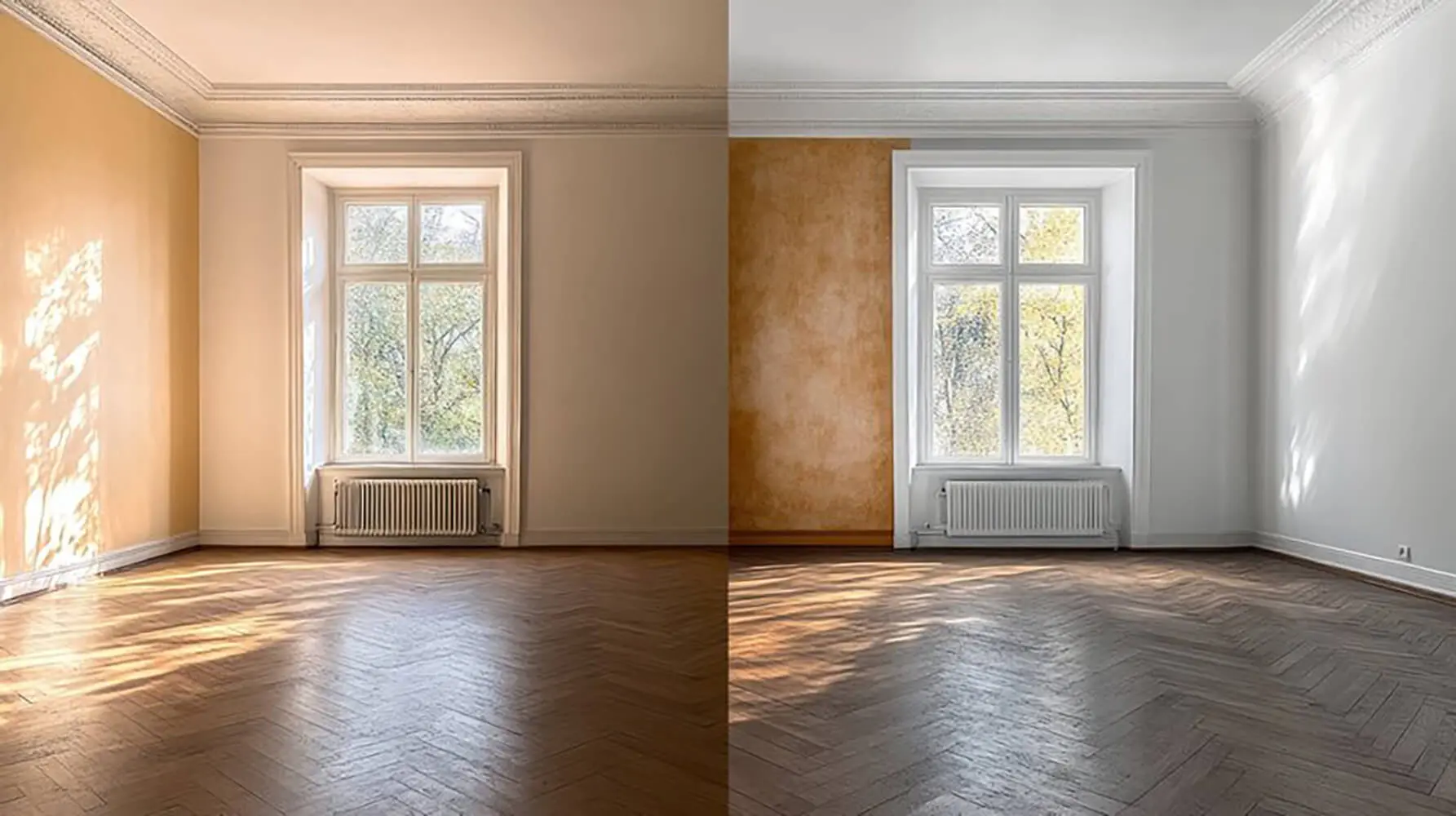
If you’re wondering how often should you repaint the interior of a home, your walls are probably starting to show it. Maybe they look scuffed no matter how much you clean. Maybe the color feels dated. Or maybe certain rooms just feel tired even when the rest of the house is fine.
The confusing part is that there isn’t one “normal” timeline that fits everyone. Interior paint lasts very differently in a real home than it does in a perfect, untouched space.
This guide breaks it down in a practical way. You’ll get a simple repainting timeline by room, the most common signs it’s time to repaint sooner than expected, and what makes paint wear out faster in Melbourne homes.
You’ll also see when a full repaint makes sense and when targeted updates can give you the refresh you want without doing the whole house at once.
The Short Answer: Most Interiors Need Repainting Sooner Than People Think
Most homeowners assume interior paint should last “a really long time” everywhere in the house. In reality, it depends on the room and how the home is lived in.
A realistic baseline is that most interiors need some repainting every few years, especially in homes that rely on professional interior painting services to keep high-traffic rooms looking clean.
That said, the question of how often should you repaint the interior of a home depends less on the calendar and more on wear.
A few things make paint wear faster or last longer:
- How much traffic and contact the room gets
- How well the walls were painted last time (prep and coverage matter)
- Whether the paint finish matches the space
- How often walls get wiped, bumped, or exposed to humidity
This is why two homes can repaint on totally different timelines. One home may look great after eight years. Another may feel ready for an update in three.
The biggest expectation reset is this: some rooms are simply harder on paint. Hallways, bathrooms, and busy living areas tend to go first, especially when homeowners start exploring paint color ideas for updating a living room, while bedrooms and low-use spaces usually last much longer.
A Simple Repainting Timeline by Room
Once you break it down by room, repainting starts to make a lot more sense. Some areas get touched, cleaned, and bumped constantly, while others barely see any wear.
Here’s a simple room-by-room range that fits most lived-in homes.
High-traffic and high-contact areas:
- Hallways and main living areas: 3–5 years
- Stairwells and entryways: 2–4 years
Moisture and cleaning-heavy rooms:
- Bathrooms: 2–4 years
- Kitchens: 3–5 years
Lower-wear spaces that can last longer:
- Bedrooms (especially adult-only): 5–8 years
- Formal dining rooms or lightly used rooms: 6–10 years
Trim, doors, and ceilings (their own timeline):
- Trim and baseboards: 2–5 years
- Doors: 2–4 years
- Ceilings: 7–10 years
These aren’t strict rules, but they’re a solid baseline. Most homes don’t need every room repainted at the same time, and this kind of breakdown makes it easier to prioritize what’s worth doing first.
The Signs It’s Time to Repaint (Even If It Hasn’t Been “That Long”)
Sometimes repainting has nothing to do with the timeline. You can be only a couple of years in and still feel like the walls already look rough.
That usually happens when paint is getting worn in high-contact areas, the wrong finish was used, or the room simply takes more daily abuse than people expect.
Here are the most common visual signs the paint isn’t holding up anymore:
- Scuffing or staining that won’t clean off – If marks stay even after wiping, it usually means the paint film is breaking down or the finish can’t handle cleaning.
- Fading or uneven color – This shows up most in bright rooms with a lot of natural light. Over time, paint can lose that “fresh” look even if the room is clean.
- Chipped corners, dents, or patchy repair spots – High-traffic corners and edges take hits first. Once repairs start showing through, it’s usually time for a more consistent refresh.
- Peeling in moisture-prone areas – This is most common in bathrooms, laundry rooms, or anywhere humidity builds up. It’s also a sign the surface needs attention sooner rather than later.
There are also “you can feel it” signs that matter just as much.
A room can start looking tired no matter how clean it is. Or you might notice that touch-ups are becoming obvious instead of blending in.
That’s often when repainting becomes worth it. Not because a certain number of years passed, but because the paint isn’t doing its job visually anymore.
What Makes Interior Paint Wear Out Faster in Melbourne Homes
Melbourne weather doesn’t just affect exteriors. Interior paint can wear out faster here too, especially in rooms that deal with humidity and daily cleaning.
A lot of homeowners are surprised by that. The walls are inside, so it feels like they should stay protected. But indoor conditions still play a big role in how long paint holds up.
Humidity shows up fastest in bathrooms and laundry areas. When moisture builds up regularly, paint can start looking dull, patchy, or harder to keep clean over time.
Sunlight is another factor, especially in bright rooms with large windows. Constant light exposure can slowly fade color or make certain walls look uneven compared to shaded areas.
Lifestyle matters too, and it often matters more than people expect.
Homes with kids, pets, frequent guests, or busy day-to-day activity tend to show wear sooner. Scuffs from backpacks, furniture rubbing, chairs bumping walls, and constant hand contact all add up.
Cleaning habits can also wear paint down faster, especially when the finish doesn’t match the space. Flat paint in a high-traffic area may look great at first, but it breaks down faster when it gets wiped repeatedly.
Over time, frequent wiping can cause:
- Shiny “burnished” patches where walls get cleaned most
- Faded or uneven sections that stand out in certain lighting
- Paint that feels thinner or worn in high-contact areas
This is why how long interior paint lasts often comes down to the room’s environment and lifestyle, not just how many years ago it was painted.
Why Some Paint Jobs Last Longer Than Others
Two homes can repaint the same year and have completely different results a few years later. One still looks clean and fresh. The other already looks worn, scuffed, or uneven.
Most of that comes down to what happened before the paint ever touched the wall.
Prep work matters more than people realize. If the surface wasn’t properly patched, sanded, and primed where needed, the paint can highlight flaws and wear down faster over time.
Good prep usually includes:
- Repairing dents, dings, and damaged corners
- Smoothing rough spots and patch transitions
- Priming repairs so the finish looks even and holds properly
Paint quality and sheen choice matter too. The right finish in the right room can make walls easier to clean and much more resistant to everyday wear.
For example:
- Washable finishes help in high-traffic areas
- Moisture-friendly coatings perform better in bathrooms and laundry rooms
Application technique is another big difference-maker. A professional paint job isn’t just about getting color on the wall. It’s about consistent coverage, clean edges, and even coats that cure properly.
This is also where the goal of repainting makes a difference, and where many homeowners start noticing the benefits of repainting their home beyond just a fresh color.
Repainting to refresh a space usually means the walls are in decent shape and you’re improving how it looks. Repainting to fix problems often means there’s already wear, damage, or mismatch that needs extra prep to correct.
A rushed job can still look good on day one. But it usually shows wear sooner, especially in the areas that get touched and cleaned the most.
What You Can Repaint Without Doing the Whole House
Most homeowners don’t need a full interior repaint all at once. In many cases, you can get a major visual refresh by focusing on the rooms that show wear first.
The smartest approach is usually to repaint in phases, starting with the areas that affect how the home feels day to day.
High-impact repainting options include:
- One room at a time based on wear – If certain rooms look great and others look tired, there’s no reason to treat everything the same. Start where the paint is clearly worn, then work outward as needed.
- High-visibility areas first – Entryways, living rooms, kitchens, and main hallways usually make the biggest difference because they’re the spaces you see and use constantly.
- Accent walls or feature areas – If the walls are generally in good shape, a feature update can change the feel of a space quickly without repainting every surface.
Trim and doors are another “secret weapon” when you want a home to feel newer.
A trim refresh can make the whole interior look cleaner and more finished, even if the walls aren’t repainted yet. Doors, baseboards, and frames pick up fingerprints and grime faster than people notice until they’re repainted.
Spot repainting can work too, but it depends on the situation.
It works best when:
- The wall color is still consistent
- Wear is minor and localized
- You’re repainting the same color and finish
It’s harder when:
- The paint has faded over time from sun exposure
- Walls have texture differences that catch the light
- Older touch-ups already stand out
This is why targeted updates are often the best first step. You don’t have to repaint the whole house to make it feel fresh again. You just have to start with what’s actually showing wear.
How to Plan Your Repaint So It Stays Looking Good Longer
If you want your repaint to hold up, the biggest goal is matching the paint system to the way each room actually gets used. That’s what keeps walls looking clean longer and reduces how often you feel like you have to redo the same spaces.
Start with finish choices that make sense for the room.
Rooms with a lot of contact need washable walls. Hallways, entryways, and living areas typically do better with finishes that can handle wiping without breaking down quickly.
Humidity-prone rooms need coatings that can handle moisture. Bathrooms, laundry areas, and other damp spaces usually require a little more planning so paint doesn’t start looking worn or patchy too soon.
Next, build durability where it counts.
High-wear areas that are worth prioritizing include:
- Hallways and main walkways
- Baseboards and trim in busy areas
- Doors and door frames
- Kitchens and eating areas
A practical way to stay ahead of repainting is planning refreshes in phases. Instead of waiting until everything looks worn at the same time, you can repaint the rooms that wear out fastest first and rotate through the home over time.
That approach is also easier on scheduling. It keeps the home feeling fresh without turning repainting into an overwhelming “whole house” project every time.
The most useful takeaway is this: the best repaint schedule is based on wear, not a calendar.
Most homeowners don’t need to repaint everything at once. They need to repaint what’s getting touched, cleaned, and noticed the most.
If you start with traffic, moisture, and visibility, your choices get much easier. And with the right prep and finish selection, interiors can stay clean-looking much longer between repaint cycles.
The Best Repaint Schedule Is Based on Wear, Not a Calendar
After you’ve looked at the typical room-by-room ranges, the signs of wear, and what makes paint break down faster in Melbourne homes, the pattern becomes pretty clear. Most interiors don’t need repainting all at once — they need it in the places that get used, cleaned, and noticed the most.
That’s why a smart repaint schedule is usually based on priority, not a calendar. Start with high-traffic and high-visibility areas like hallways, entryways, living spaces, kitchens, and bathrooms. Then work outward as needed.
The goal isn’t to repaint constantly. It’s to repaint strategically so your home stays looking clean and updated without waiting until every wall feels worn at the same time.
If you’re still unsure how often should you repaint the interior of a home in your situation, a professional walkthrough can make the decision much easier. Marsh Paint Co. can look at each room, identify what needs attention now versus later, and recommend the right finishes so your repaint holds up longer. Reach out to get a free estimate and schedule an interior evaluation with a clear, room-by-room plan.