
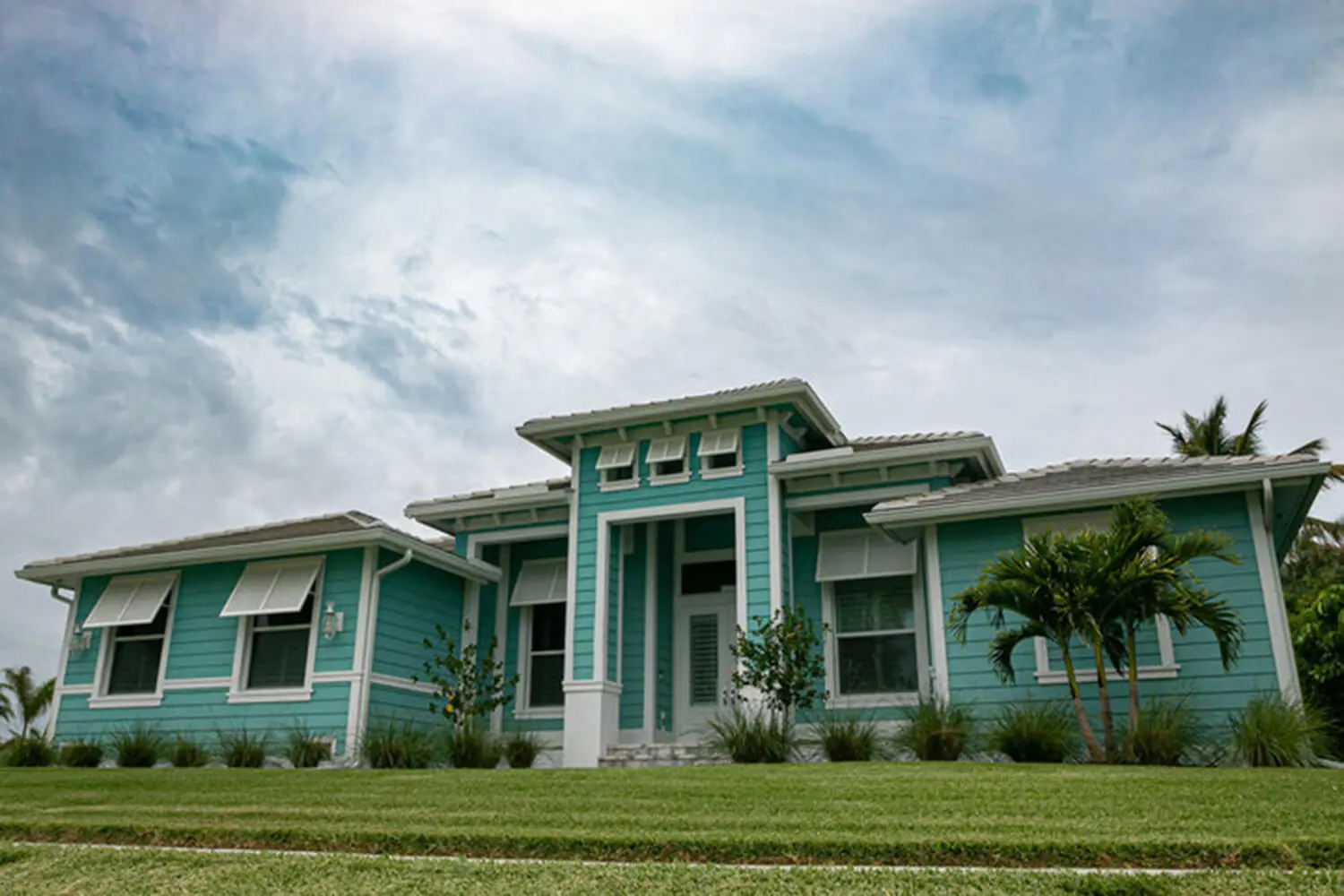
If you’ve noticed your home’s exterior looking a little more faded than usual this summer, or spotted a small bubble forming near a window trim, you’re not imagining it. Understanding how summer weather affects exterior paint in a coastal town like Cocoa Beach means looking past the obvious “it’s hot outside” explanation. Your home isn’t just dealing with heat. It’s dealing with intense sun, high humidity, salt-laden air, and a daily storm pattern that all work on your paint at the same time.
Most general advice treats summer as a single stressor. That’s fine if you live somewhere inland, but it misses what’s actually happening on a home a few miles from the water. Here’s what’s really going on with your paint this summer, how to tell normal wear from a real problem, and what you can do about it before it gets more expensive to fix.
How Summer Weather Affects Exterior Paint in a Coastal Climate
The reason Cocoa Beach paint problems look different from paint problems in Orlando or Winter Park comes down to compounding conditions. A home fifty miles inland deals with heat and humidity. A home here deals with that plus direct sun intensity, salt air, and storms that roll in almost every afternoon during peak summer months. None of these factors work in isolation. They stack on top of each other, and that stacking is what determines whether your paint job holds up for years or starts showing problems within a single season.
South- and west-facing walls typically show the effects first, since they take the most direct exposure throughout the day. Here’s a breakdown of what’s actually happening.
Intense UV Exposure
Florida’s summer sun does more than fade your paint’s color. It breaks down the resin that holds pigment particles together at a molecular level, which gradually strips away the paint’s protective properties, not just its curb appeal.
Walls facing south and west absorb the most direct sunlight and fade noticeably faster than shaded or north-facing sections of the same house. Color plays a role too. Darker shades absorb more UV energy and heat than lighter ones, so a deep navy or charcoal exterior will typically show fading and degradation sooner than a soft white or pale gray in the exact same location.
Without a UV-resistant topcoat, exposed walls can show visible fading within two to three summers. A paint system rated for high UV exposure holds its color considerably longer under the same conditions.
High Humidity
Humidity slows down how paint dries and cures. When paint can’t release moisture properly during curing, it becomes far more vulnerable to blistering, soft spots, and early failure.
Here’s the part that catches people off guard: paint can look and feel dry on the outside within hours, but that doesn’t mean it’s fully cured underneath. Moisture can stay trapped beneath the surface film even after the top layer seems set. That’s why problems from a humid application often don’t show up right away. They surface weeks later, once trapped moisture starts working its way out.
Paint applied during Cocoa Beach’s most humid stretches without proper drying time between coats is far more likely to blister than paint given adequate time to cure in drier conditions.
Afternoon Storm Cycles
Cocoa Beach’s daily summer storm pattern creates a narrow window for paint to cure before it gets hit with moisture again. This is a different issue than simply “it rained on my house.”
Freshly applied paint needs several hours of dry time before it can handle contact with water. A storm rolling in mid-afternoon, which happens routinely during a Florida summer, can interrupt that curing window even if the morning application looked perfectly fine. The timing matters more than the total rainfall. A light afternoon shower hitting paint that’s only a few hours into curing does more damage than a heavier storm hitting paint that’s already fully cured.
If your exterior shows streaking, washout, or an uneven finish, it’s worth considering whether storm timing during application, rather than poor workmanship, is the real cause.
Salt Air
Homes closer to the coast deal with an added factor that inland homes don’t: ongoing exposure to airborne salt. This shows up first on trim, fixtures, and metal hardware, often before it’s visible on the broader wall surface.
Salt particles settle on exterior surfaces, and combined with humidity, they create a mildly corrosive environment that speeds up the natural breakdown of both paint film and any exposed metal. Homes directly on or facing the water experience this more intensely than homes just a few blocks inland, even within the same Cocoa Beach zip code.
Without paint and primer formulated to resist salt exposure, homes closer to the water tend to show chalking, dulling, and hardware corrosion sooner than the paint’s expected lifespan would suggest.
Normal Summer Wear vs. Signs of a Real Problem
Some fading and dulling over a Cocoa Beach summer is completely normal. Bubbling, peeling, soft or tacky spots, and visible mildew growth are not, and they signal an actual failure worth addressing.
Normal wear tends to look like:
- A slow, even fade across sun-exposed surfaces
- A slight chalky residue that comes off on your hand when you touch the wall
- Gradual dulling of color intensity over multiple seasons
Signs of a real problem look different:
- Localized bubbling or blistering in specific spots rather than spread evenly
- Soft or tacky areas that never fully cured
- Peeling or cracking concentrated near trim, windows, or corners
- Visible mold or mildew growth that keeps returning after cleaning
A lot of homeowners assume any visible change means it’s time for a full repaint. Often it’s an isolated issue that can be addressed on its own. Catching bubbling or soft spots early, before they spread, frequently means a smaller repair rather than a complete redo, which makes a real difference in cost.
Protecting Your Paint During Peak Summer Months
You don’t need to overhaul your maintenance routine to protect your exterior paint through the summer. A few consistent habits go a long way.
- Keep an eye on high-exposure walls, especially south- and west-facing sides, for early signs of fading or soft spots
- Avoid pressure washing during the most humid stretches without allowing adequate dry time afterward
- Address small maintenance gaps, like failed caulking around trim or windows, before they become entry points for moisture
- Rinse salt residue off exterior surfaces regularly if your home is close to the water, since buildup left to sit causes more cumulative damage than salt that’s washed away
Small maintenance gaps matter more than they seem. Failed caulking around trim or windows becomes an entry point for exactly the kind of moisture that summer humidity and storms are already working to trap. Staying ahead of these small issues extends the time between full repaints, while ignoring early signs tends to accelerate the need for one.
Why Coastal Summers Demand More Than a One-Season Mindset
Cocoa Beach’s summer paint stress isn’t one problem. It’s four conditions compounding on top of each other: UV intensity, humidity, storm timing, and salt air, all working on your home at once. That’s why generic “hot weather” advice never quite explains what you’re actually seeing.
Ignoring early signs of a real problem during summer usually means dealing with a larger, more expensive repair once these compounding effects have had more time to work. If you’ve noticed something on your home that goes beyond normal fading, catching it now is worth more than waiting to see if it gets worse.
If you’re seeing signs that seem like more than normal summer wear, we’re happy to take a look. Our exterior painting services are built around Florida’s coastal conditions, and we’d rather help you catch a small issue early than watch it turn into a full repaint. Contact us today for a free estimate and let’s figure out what your home actually needs.