
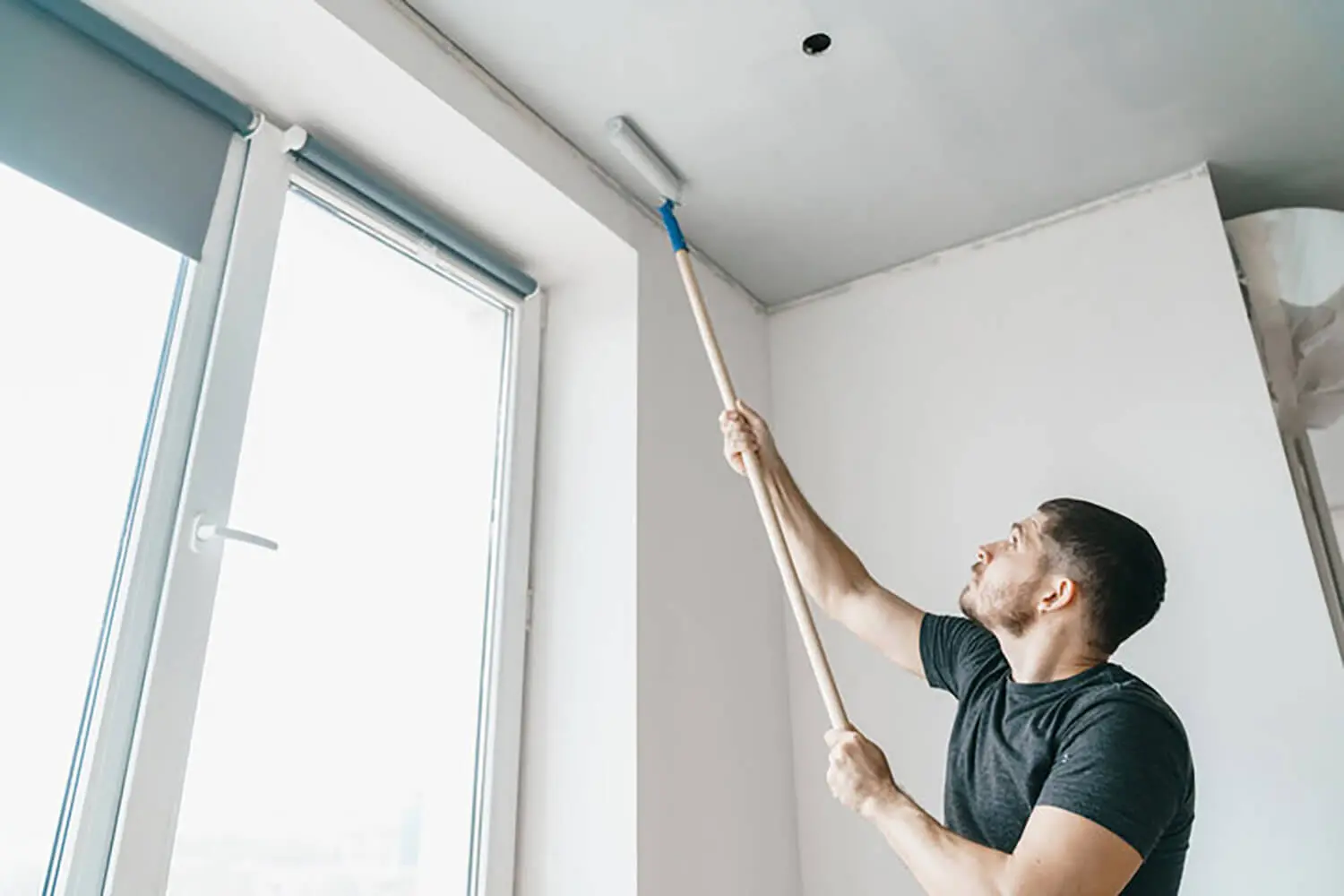
Fresh paint has a way of making a home feel clean, bright, and well cared for. Over time, though, even the best interior finishes start to show subtle changes. Colors fade. Walls pick up scuffs. Small stains appear and seem to linger no matter how often you clean.
Because this wear happens gradually, it can be hard to recognize the signs it may be time to repaint your home’s interior. What once looked crisp and uniform may now feel dull or tired, even if you can’t immediately pinpoint why.
Interior paint plays a bigger role in your home’s atmosphere than many people realize. When walls begin to look worn, the entire room can feel less inviting. Fading, scratches, discoloration, and aging finishes all contribute to that effect.
In this guide, you’ll learn the most common signs it may be time to repaint your home’s interior, what causes them, and how to decide when repainting makes sense for your space.
Why Interior Paint Doesn’t Last Forever
Interior paint is designed to be durable, but it is not permanent. Daily life slowly affects even high-quality finishes, especially in rooms that see regular activity.
Walls absorb more wear than most homeowners realize.
Common factors that contribute to normal paint deterioration include:
- Sunlight exposure that fades or alters color
- Humidity that affects adhesion and finish
- Foot traffic in hallways and stairwells
- Repeated contact from furniture, pets, and children
- Frequent cleaning or scrubbing
Sunlight is one of the biggest contributors to fading, and understanding how paint finish affects the look and durability of interior walls can help you choose a finish that holds up better. Rooms with large windows often show uneven color over time, especially on walls that receive direct light for several hours a day.
Humidity also plays a role. Kitchens, bathrooms, and laundry rooms experience moisture fluctuations that can gradually weaken paint or cause subtle surface changes.
High-traffic areas such as entryways and hallways experience constant contact. Over time, even careful use results in minor scuffs, fingerprints, and dull spots.
It’s important to understand that repainting is not a sign of neglect. It is a normal part of home maintenance. Just like flooring or fixtures, interior paint has a lifespan, and refreshing it at the right time helps maintain both appearance and protection.
Visible Signs It May Be Time to Repaint Your Home’s Interior
Most homeowners do not wake up one day and suddenly decide to repaint. Instead, the need builds gradually.
Small imperfections start appearing. Colors lose their vibrancy. Certain walls begin to look slightly different from others.
These interior paint wear signs often develop slowly enough that you adjust to them without noticing. It’s only when you step back or compare rooms that the difference becomes obvious.
Some repainting interior indicators are purely cosmetic, while others suggest that the finish is beginning to fail. Recognizing the difference helps you decide whether a simple touch-up will do or if a full repaint makes more sense.
Below are some of the most common issues homeowners notice when their interior paint has reached the end of its useful life.
Paint Fading, Discoloration, or Uneven Color
Fading is one of the clearest signs that paint is aging.
Sunlight gradually breaks down pigments, especially in rooms with strong natural light. You may notice that one wall looks lighter than the others or that areas behind furniture appear darker because they were shielded from exposure.
Discoloration can also show up as yellowing over time. This is especially common with lighter colors in kitchens or rooms exposed to heat and airborne particles.
Uneven color often becomes more noticeable after rearranging furniture or removing wall décor. What once looked consistent may now appear patchy.
If you find yourself questioning when to repaint interior walls, visible fading or uneven tone is often the tipping point. A fresh coat restores uniformity and brings back the depth of color the room once had.
Scuffs, Scratches, and Marks That Won’t Come Clean
Walls in busy households take constant contact; if you’re planning an interior painting project, knowing how long it takes helps you set realistic expectations.
Backpacks brush against hallways. Chairs rub along dining room walls. Pets and children leave behind fingerprints and smudges.
At first, these marks may wipe away easily. Over time, however, repeated cleaning can dull the finish or create shiny spots where the surface has been scrubbed too often.
Signs that scuffs have gone beyond simple cleaning include:
- Areas that remain visibly marked after washing
- Shiny or flattened spots where the sheen looks inconsistent
- Small scratches that expose lighter layers underneath
When touch-ups no longer blend seamlessly and cleaning creates more noticeable contrast, it may be time for a full refresh rather than another attempt to patch isolated spots.
Peeling, Cracking, or Flaking Paint
Peeling or cracking paint is more than a cosmetic issue.
These problems may signal poor adhesion, surface contamination, or moisture concerns beneath the finish. You might see small cracks forming along trim, corners, or ceiling lines, or notice sections where paint begins lifting away from the wall.
Unlike minor scuffs, peeling and flaking are stronger repainting interior indicators. They suggest that the existing paint layer is no longer securely bonded.
In some cases, moisture intrusion from bathrooms or exterior walls may be contributing to the issue. That is why professional evaluation can be helpful. Proper surface preparation is critical before repainting, especially when paint failure has already begun.
Stains and Spots That Keep Showing Through
Certain stains are difficult to conceal with simple cleaning.
Common examples include:
- Water marks from past leaks
- Smoke or cooking residue
- Ink, crayon, or marker stains
- Grease splatter in kitchens
Over time, older paint can become porous or thin enough that stains bleed through the surface. Even after cleaning or light touch-ups, faint shadows may remain.
When stains repeatedly resurface, repainting with proper surface prep and primer is usually the most reliable solution. Blocking the stain and applying a fresh finish restores a clean, uniform look.
Your Walls Look Outdated or No Longer Match Your Space
Not all reasons to repaint involve damage.
Sometimes the color simply no longer fits your style or the way you use the room. A shade that felt trendy years ago may now feel heavy, dark, or mismatched with new flooring or furniture.
Home design preferences change over time. Lighting updates, décor changes, and renovations can all make existing paint feel out of place.
If you are wondering when to repaint interior walls for an updated look, the answer may be less about wear and more about alignment. Repainting can dramatically refresh a space without altering its layout, making it one of the simplest ways to modernize your home’s interior.
How Often Should You Repaint Interior Walls?
There is no universal timeline that applies to every room in every home. Interior paint lifespan depends heavily on how the space is used and how much daily wear it experiences.
That said, general expectations can help you gauge whether your walls are nearing the end of their cycle.
Living rooms and dining rooms typically last longer between repaints because they see moderate use. In many homes, these spaces may look good for five to seven years, especially if they are not exposed to excessive sunlight.
Bedrooms often fall into a similar range. Adult bedrooms with minimal traffic can sometimes go even longer if the paint remains in good condition and the color still fits the space.
High-traffic areas, however, tend to require attention sooner. These include:
• Hallways and stairwells
• Entryways and mudrooms
• Children’s bedrooms and playrooms
In these spaces, three to five years is often more realistic due to constant contact and cleaning.
Kitchens and bathrooms are also on a shorter cycle because of moisture, grease, and temperature changes. Even durable finishes can begin showing wear within three to four years.
Still, timelines are only guidelines. The visible condition of your walls matters more than a calendar. If you notice interior paint wear signs like fading, staining, or surface breakdown, it may be time to repaint even if you are technically within a “normal” range.
Regularly stepping back and assessing your walls with fresh eyes helps you make that decision with confidence.
How Often Should You Repaint Interior Walls?
There is no universal timeline that applies to every room in every home. Interior paint lifespan depends heavily on how the space is used and how much daily wear it experiences.
That said, general expectations can help you gauge whether your walls are nearing the end of their cycle.
Living rooms and dining rooms typically last longer between repaints because they see moderate use. In many homes, these spaces may look good for five to seven years, especially if they are not exposed to excessive sunlight.
Bedrooms often fall into a similar range. Adult bedrooms with minimal traffic can sometimes go even longer if the paint remains in good condition and the color still fits the space.
High-traffic areas, however, tend to require attention sooner. These include:
- Hallways and stairwells
- Entryways and mudrooms
- Children’s bedrooms and playrooms
In these spaces, three to five years is often more realistic due to constant contact and cleaning.
Kitchens and bathrooms are also on a shorter cycle because of moisture, grease, and temperature changes. Even durable finishes can begin showing wear within three to four years.
Still, timelines are only guidelines. The visible condition of your walls matters more than a calendar. If you notice interior paint wear signs like fading, staining, or surface breakdown, it may be time to repaint even if you are technically within a “normal” range.
Regularly stepping back and assessing your walls with fresh eyes helps you make that decision with confidence.
What to Do Next If You’re Seeing These Signs
Once you begin noticing interior paint wear signs, the next step is evaluating how widespread the issues are.
Start by walking through your home during daylight hours. Natural light makes fading, uneven color, and surface flaws easier to spot.
As you assess each room, consider:
- Are the issues isolated to one small area?
- Do multiple walls show similar wear?
- Are there signs of peeling or moisture that need attention first?
- Does the current color still suit the space?
If the problems are limited to minor scuffs in one spot, touch-ups may be enough. However, if fading, staining, or sheen inconsistencies appear across large sections of the room, repainting the entire space usually produces a more cohesive result.
It is also important to address underlying causes before applying new paint. Moisture sources, ventilation issues, or surface contamination should be corrected so the new finish adheres properly and lasts as expected.
Planning repainting before damage worsens can prevent more extensive prep work later. Professional painters can evaluate the surface condition, recommend appropriate primers or finishes, and confirm whether a full repaint is the right solution for your home.
What to Do Next If You’re Seeing These Signs
Once you begin noticing interior paint wear signs, the next step is evaluating how widespread the issues are.
Start by walking through your home during daylight hours. Natural light makes fading, uneven color, and surface flaws easier to spot.
As you assess each room, consider:
- Are the issues isolated to one small area?
- Do multiple walls show similar wear?
- Are there signs of peeling or moisture that need attention first?
- Does the current color still suit the space?
If the problems are limited to minor scuffs in one spot, touch-ups may be enough. However, if fading, staining, or sheen inconsistencies appear across large sections of the room, repainting the entire space usually produces a more cohesive result.
It is also important to address underlying causes before applying new paint. Moisture sources, ventilation issues, or surface contamination should be corrected so the new finish adheres properly and lasts as expected.
Planning repainting before damage worsens can prevent more extensive prep work later. Professional painters can evaluate the surface condition, recommend appropriate primers or finishes, and confirm whether a full repaint is the right solution for your home.
If you’re noticing signs it may be time to repaint your home’s interior, Marsh Paint Co. is here to help. We can assess your walls, recommend the right prep and finish, and guide you through color options that fit your space. Our team focuses on clean, professional results that refresh your home without unnecessary stress. Contact us today to discuss your interior painting project and see what a smooth, well-planned repaint can look like in your home.