
If you’re thinking about getting your cabinets painted, you probably want the upgrade without the headache. You want a clean, professional finish that holds up to daily use — not a messy process, unclear timelines, or surprises halfway through the project.
And most homeowners don’t schedule cabinet painting often, so it’s normal to feel unsure about what needs to be confirmed before you lock in dates. How long will your kitchen be disrupted? What affects the cost? What should the finish actually look like when it’s done?
This guide covers what to know before scheduling a cabinet painting project so you can make confident decisions upfront. We’ll walk through the handful of things that impact timeline, disruption, and long-term durability, plus what details you should clarify with your painter before you commit.
The goal is simple: fewer surprises, a smoother experience, and cabinets that look finished and stay that way.
First, Make Sure Your Cabinets Are Worth Painting
Cabinet painting can be one of the biggest “before and after” upgrades in a home. But it works best when the cabinets are a good fit for painting in the first place.
In most cases, cabinet painting is a great option when the cabinets are structurally solid, but the finish is outdated, worn, or just not your style anymore. You get a major change in the look of the kitchen without the cost and disruption of a full replacement, which is why comparing cabinet painting vs cabinet replacement helps homeowners feel confident about the right choice.
Cabinet painting is usually a good fit when:
- The cabinet boxes are sturdy and still in good condition
- Doors and drawers function properly
- You like the layout and just want a visual upgrade
- The cabinets feel dated, scratched, or stained, but not damaged
On the flip side, painting may not be the right move if the cabinets have bigger issues that paint can’t fix.
It might not be a great fit if:
- Doors are warped, swollen, or no longer sit flat
- The boxes are falling apart or heavily damaged
- You’re planning to change the layout or add new cabinets
- The cabinet structure is the real problem, not the finish
The quick clarity is this: cabinet painting improves the look and finish, but it won’t fix structural cabinet problems.
If the cabinets are in good shape underneath, painting can be a smart upgrade. If they’re failing structurally, you’ll want to solve that first before investing in a new finish.
Know What a Good Cabinet Paint Job Should Look Like
Not all cabinet paint jobs deliver the same result, and most homeowners don’t realize that until they’ve seen a few up close. Cabinets are a high-touch surface, so the finish has to look good and hold up to daily use.
A professional cabinet finish should look and feel:
- Smooth and even (not bumpy or streaky)
- Durable enough for everyday handling
- Clean around edges, corners, and door profiles
- Consistent in sheen, with no obvious patchiness
It should also feel like a factory-style finish, not like wall paint rolled onto wood. That’s usually what people mean when they say they want cabinets that look “done,” not just “painted.”
Here’s the trade-off most homeowners don’t expect: the better the finish, the more controlled the process needs to be.
High-quality cabinet painting takes more prep, more drying time, and more careful steps to avoid problems like:
- Texture from rushed sanding or poor prep
- Peeling or chipping from weak adhesion
- Tackiness from not allowing proper cure time
- Visible brush marks in detailed areas
So when you’re planning a cabinet project, it helps to set the expectation early. You’re not just booking a new color — you’re booking a finish process that’s meant to last.
And the more “smooth and durable” you want the end result to be, the more important the prep and controlled steps become.
Know What You’re Actually Booking (Scope + Cost, Without the Guessing)
One of the biggest reasons cabinet projects feel stressful is because homeowners think they’re booking “cabinet painting”… but they’re not always booking the same scope.
Before you approve a quote or lock in dates, it helps to get very clear on what’s included. That’s what makes pricing feel fair, timelines feel realistic, and the final result feel complete.
At a minimum, confirm whether the project includes:
- Doors and drawer fronts
- Cabinet boxes and frames (the parts that stay installed)
- Toe kicks, trim, or crown molding (if applicable)
This matters because cabinet boxes usually take more prep than people expect. They collect grease, grime, and buildup over time, especially around handles, corners, and cooking areas. Prep is what makes the finish stick, so skipping it can shorten the lifespan fast.
A few things tend to shift cabinet painting cost the most:
- Number of doors and drawers (labor increases with every piece)
- Cabinet condition (grease buildup, dents, old finish issues)
- Door style and detail level (more grooves and profiles = more work)
- Major color changes (light-to-dark or dark-to-light often takes more coats)
A helpful way to interpret quotes is this: if a price is dramatically cheaper than others, something is usually being skipped. That might be prep work, materials, protection steps, or even painting certain parts of the cabinetry.
Scope matters before you schedule because it affects everything: the total cost, how long the kitchen is disrupted, and whether the finished space looks fully updated or only “partially done.”
Pick Your Color and Sheen Before You Lock In Dates
This part feels simple, but it has a bigger impact than most homeowners expect. Color and sheen don’t just affect the look — they can affect the products used, the number of coats required, and how the project is scheduled.
That’s why it’s worth deciding these early, before you lock in dates.
Color choice matters because some changes take more work than others, especially when following current cabinet painting trends that require cleaner lines and more controlled finishes. A small shift within the same tone is usually straightforward. But bold changes, especially dark-to-light or light-to-dark, often need extra coats and more careful coverage to get an even finish.
Sheen matters too, because it affects both durability and how the cabinets look in real lighting.
In practical terms:
- Higher sheen is usually easier to wipe down and more resistant to marks
- Lower sheen hides surface imperfections better, but may show wear sooner
- Mid-range sheens are often the most forgiving mix of looks + durability
One thing to keep in mind before you choose: darker colors and dramatic changes can highlight flaws more easily. They also tend to require more careful prep and more controlled application to avoid streaks, patchiness, or uneven sheen.
If you want cabinets that look smooth and consistent from every angle, it helps to make these decisions upfront. That way the schedule, materials, and finish expectations can match what you’re actually trying to achieve.
Know What the Timeline Will Actually Feel Like at Home
Cabinet painting doesn’t just happen in one step. Even when the project is well-run, it’s a process with multiple stages that need time to dry and set properly.
That’s why the timeline can feel longer than homeowners expect, especially if you’re imagining it like a quick wall-painting job.
A cabinet painting project usually involves:
- Prep and protection of the kitchen area
- Cleaning and sanding to create proper adhesion
- Priming where needed
- Painting or spraying the finish coats
- Drying time between coats
- Curing time so the finish hardens
- Reinstalling doors, drawers, and hardware
This is also why most cabinet projects aren’t a “same week” turnaround in the way people think. Cabinets need controlled steps to avoid peeling, tackiness, and early wear issues.
The misconception that causes the most frustration is this: cabinets can be dry before they’re fully cured.
Dry means you can touch them lightly without leaving a mark. Cured means the finish has hardened enough to handle daily use, wiping, and normal wear.
So even after the cabinets look finished, there’s usually a short period where you’ll want to treat them gently while the coating fully sets.
When you know this going in, the timeline feels more reasonable. You’re not waiting for “nothing.” You’re giving the finish the time it needs to last.
Plan for the Disruption (So You’re Not Stressed Mid-Project)
Even with a professional crew, cabinet painting changes how your kitchen functions for a little while. The goal isn’t to avoid disruption completely — it’s to plan for it so it feels manageable instead of stressful.
Before work starts, most homeowners need to do a few basic prep steps. Think of it as clearing the space so the painters can protect everything properly and work efficiently.
You’ll usually want to:
- Clear out cabinets and drawers that are being painted
- Empty counters as much as possible
- Set aside everyday essentials (coffee items, snacks, dishes, medications)
It also helps to plan a simple temporary kitchen setup. You don’t need anything fancy, just a small “survival zone” so you’re not digging through boxes mid-week.
Once the project is underway, the kitchen will feel “in progress.” Depending on the scope, you may have limited access to certain areas, some noise during prep and sanding, and a space that needs to stay protected while coatings dry.
A few simple things make it easier:
- Plan easy meals or takeout nights ahead of time
- Set up a coffee station somewhere outside the kitchen
- Create clear boundaries for kids and pets so they’re not in the work zone
The biggest stress usually comes from not expecting what the week will feel like. When you plan for the disruption ahead of time, cabinet painting becomes a temporary inconvenience — not a daily headache.
Confirm These Details With Your Painter Before You Book
Before you lock in dates, there are a few key details worth confirming upfront. These are the questions that prevent surprises later — and they help you compare quotes more accurately too.
Start with who is actually doing the work. Some companies use their own crew, and others subcontract parts of the job. Either can work, but you should know what you’re booking.
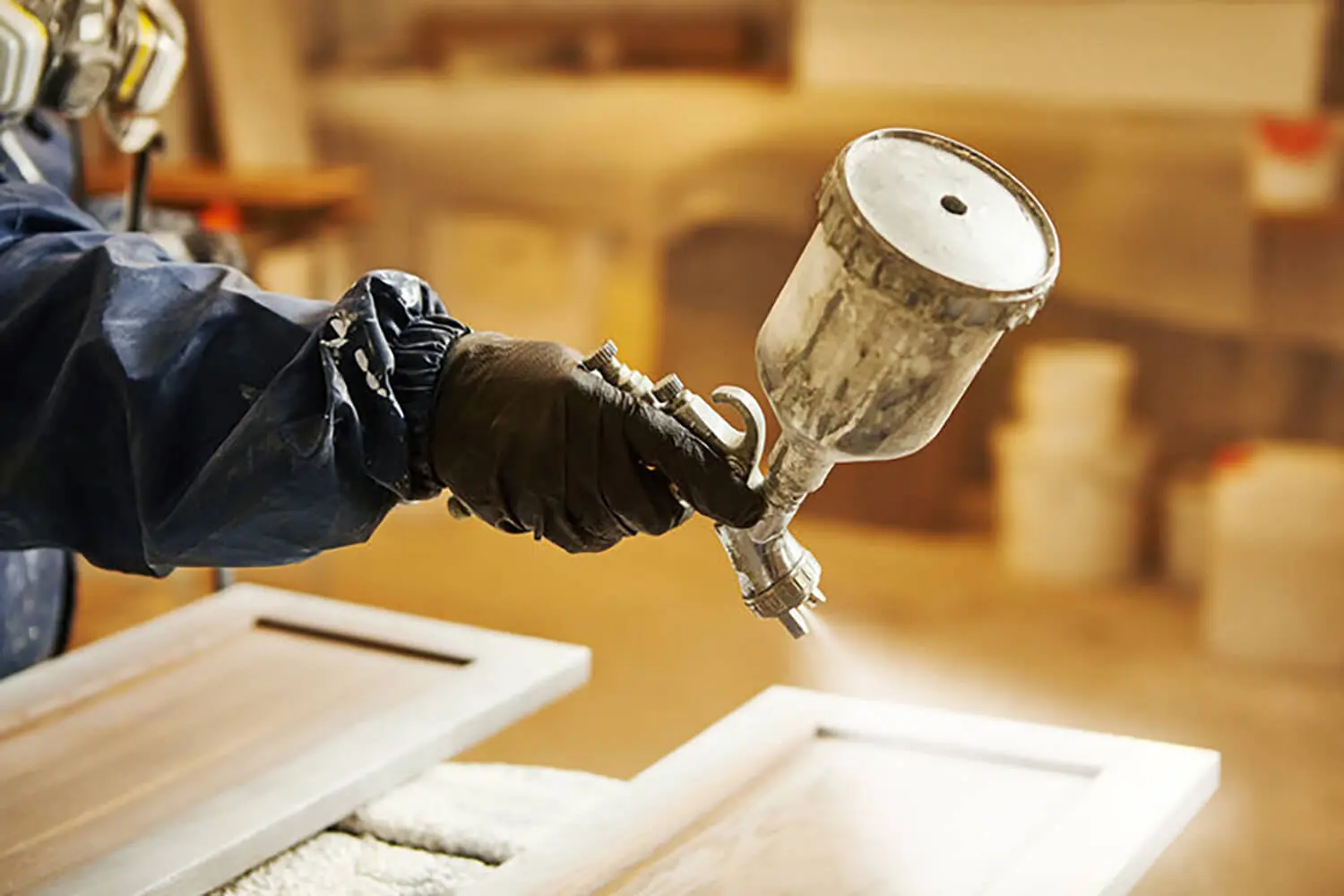
It also helps to ask how the cabinets will be painted and why that method is being used. Some cabinets are sprayed for a smoother finish, while other situations may require brushing or rolling in certain areas.
Key details to confirm before you book:
- Who will be completing the work (in-house crew vs subcontracted)
- How the cabinets will be painted (sprayed, brushed, rolled — and why)
- What prep is included, and what would cost extra
- What products will be used (cabinet-grade coatings vs wall paint)
- How the space will be protected (floors, counters, masking, ventilation)
- What the timeline is, and what could realistically delay it
- What’s included after completion (touch-ups, warranty, follow-up)
These questions aren’t “too much.” Cabinet painting is a detailed project, and it’s normal to want clarity before committing.
When you have clear answers to these points, scheduling feels easier because you know what’s happening, what to expect, and what level of finish you’re paying for.
Know What to Expect After the Painting Is Done
Once the doors and drawers are back on and everything looks finished, it’s easy to assume the project is fully “over.” But cabinets have one final stage that matters a lot: curing.
Curing is the period where the finish hardens and becomes more durable. This is what helps the cabinets resist everyday wear like wiping, handling, and normal use.
So even though the cabinets may feel dry to the touch, they may still be in that early stage where the coating is more vulnerable.
For the first couple of weeks, it helps to avoid things that can damage the finish before it fully sets, like:
- Harsh cleaners or chemicals
- Aggressive scrubbing or abrasive sponges
- Slamming doors or letting drawers hit hard
- Hanging wet towels on freshly painted edges
What helps the finish last longer is simple, gentle use while the coating fully cures.
A few best habits during the early period:
- Use a soft cloth for cleaning
- Wipe spills quickly instead of letting moisture sit
- Be a little more careful around corners and handles
- Let bumpers and hardware do their job without forcing doors shut
This isn’t meant to feel restrictive. It’s just the final step that helps the finish reach its full durability.
When homeowners understand curing from the start, they’re much less likely to feel disappointed by “early wear” that’s really just normal finish development.
Run Through This Quick Checklist Before You Schedule
Before you lock in dates, it helps to run through a quick checklist. It takes a couple minutes, but it saves a lot of stress later.
If you can say “yes” to most of these, you’re in a great spot to schedule.
- Your cabinets are good candidates for painting – Solid structure, functional doors and drawers, and no major damage.
- You’re clear on the finish level you want – You know whether you want a basic refresh or a smoother, more durable finish that takes more controlled steps.
- You understand what’s included (and why that affects cost) – Doors, drawers, cabinet boxes, trim details, and protection steps are clear.
- Your color and sheen are decided – So scheduling, materials, and coats can be planned properly.
- The timeline and disruption feel realistic – You know the kitchen will feel “in progress” for a bit, and you have a plan for day-to-day life during the work.
- Prep, products, and protection steps are confirmed – You’re not guessing what’s being used or what’s being skipped.
- You understand curing time and aftercare – You know the finish needs time to harden and you’ll treat it gently early on.
If you’re missing one or two items, that’s normal. This checklist is just a fast way to spot what needs to be clarified before you commit.
Get These Details Right and the Whole Project Gets Easier
Cabinet painting goes a lot smoother when expectations are clear upfront. When you know what’s included, what the timeline will feel like, and what level of finish you’re paying for, the process feels predictable instead of stressful.
The goal isn’t just a new color. It’s a clean, durable finish that holds up to daily life.
If you’re ready to move forward, our cabinet painting services include clear scope, timeline expectations, and a finish built to hold up to daily use. Reach out to get a plan in place and book your project with confidence.