
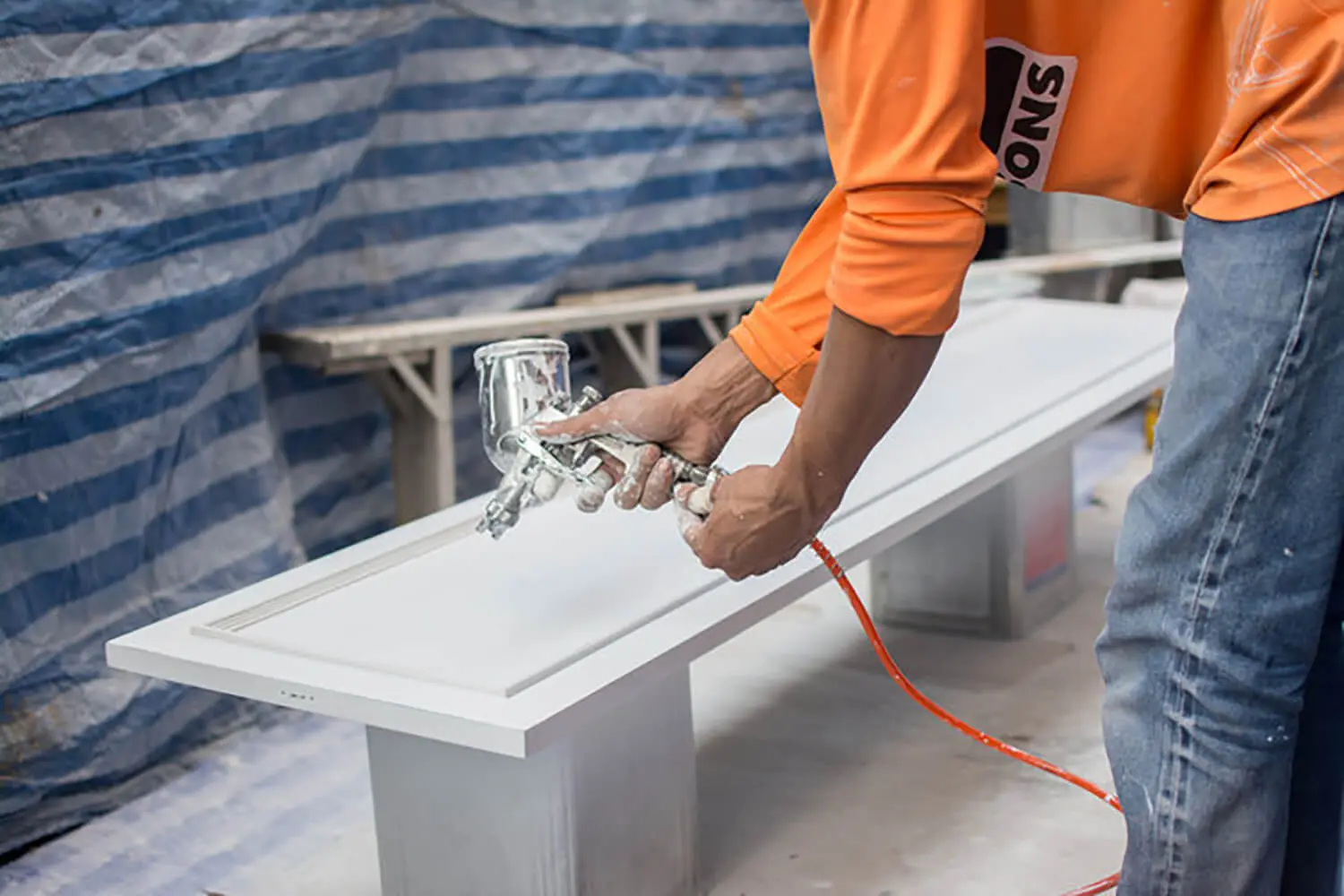
Cabinet painting is one of the most popular ways to transform a kitchen without the cost and disruption of a full remodel. A fresh color can brighten the space, modernize outdated finishes, and completely change how the room feels.
But once homeowners decide to move forward, one question almost always comes up first: how long does cabinet painting usually take to finish?
It’s a fair concern. Your kitchen is one of the most used spaces in your home, and even small disruptions can feel significant. What many people don’t realize is that cabinet painting involves much more than simply brushing on a new coat of paint. The process includes detailed preparation, multiple coating stages, and time for products to properly dry and harden.
Understanding the full timeline helps you plan meals, manage expectations, and feel confident in the investment. In this guide, you’ll learn what affects the schedule, what happens at each stage of the project, and what you can realistically expect from start to completion.
Why Cabinet Painting Takes Longer Than Most People Expect
At first glance, cabinet painting might seem similar to painting walls. After all, both involve surface preparation, primer, and paint.
In reality, cabinets require far more precision and patience.
Cabinet surfaces are handled daily. Doors are opened and closed constantly. Drawers slide in and out. Hardware rubs against finishes. Because of this heavy use, the coating system must be significantly more durable than standard wall paint.
That durability starts with preparation.
Unlike walls, cabinets typically have:
- Glossy factory finishes
- Grease buildup from cooking
- Tight corners and detailed profiles
- Hardware and hinges that must be removed
Each of these factors adds time to the process. The team must thoroughly clean, lightly sand or degloss, and carefully prep the surfaces to ensure proper adhesion. Skipping these steps often leads to peeling or chipping later.
Application also takes longer. Cabinets require thin, even coats to achieve a smooth, factory-like appearance. Rushing this stage can create brush marks, drips, or uneven sheen.
Dry time matters too. Each layer must dry adequately before the next one is applied. The cabinet painting process duration depends heavily on allowing each stage to set properly rather than trying to speed through it.
In short, cabinet painting takes longer because it’s a high-touch, high-visibility surface that demands careful preparation and controlled application.
Typical Cabinet Painting Process Duration From Start to Finish
When homeowners ask how long does cabinet painting usually take to finish, they often discover that the project takes several days rather than just one.
A professional cabinet painting project follows a structured sequence designed to protect your home and deliver a durable finish.
While every home is different, the cabinet painting process length generally includes the following stages, and reviewing what to know before scheduling a cabinet painting project can help you set expectations early:
Day 1: Preparation and Removal
- Protect surrounding areas with plastic and floor coverings
- Remove doors, drawers, and hardware
- Label components for proper reinstallation
- Clean and degrease all surfaces
Day 2: Surface Prep and Priming
- Sand or degloss cabinet surfaces
- Repair minor dents or imperfections
- Apply bonding primer
- Allow adequate drying time
Day 3–4: Painting and Additional Coats
- Apply first coat of cabinet-grade paint
- Light sanding between coats if required
- Apply second coat for full coverage and durability
- Allow drying time between applications
Day 4–5: Reassembly and Final Touches
- Reinstall doors and drawers
- Reattach hardware or install new hardware
- Perform detail touch-ups
- Final walkthrough
Smaller kitchens with fewer cabinets may move more quickly. Larger kitchens, complex layouts, or projects requiring repairs can extend the timeline.
Most professional projects take anywhere from three to five days on site, with additional curing time afterward before the cabinets reach full hardness.
Key Factors That Affect How Long Cabinet Painting Usually Takes to Finish
Even though most cabinet painting projects follow a similar sequence, the actual timeline can vary significantly from one home to another. Several variables influence how long the work will take from start to completion.
The number of cabinets is one of the biggest factors. A small kitchen with a limited number of doors and drawers will naturally move faster than a large kitchen with tall uppers, a kitchen island, and additional built-ins. More pieces mean more prep work, more sanding, more priming, and more coating time.
Layout and design details also matter. Cabinets with flat, simple fronts are quicker to prep and coat than doors with raised panels, grooves, or decorative trim. Detailed profiles require extra care to ensure even coverage without buildup in corners.
Condition plays a major role as well. Cabinets that are in good structural shape but simply outdated in color will move through the process more efficiently. Cabinets with heavy grease buildup, chipped edges, dents, water damage, or previous peeling finishes require additional preparation and repairs before primer ever goes on.
The type of finish you apply can also influence the timeline. Some products require longer dry times between coats. Specialty coatings or high-performance finishes can increase cabinet refinishing time, especially when homeowners want a smooth, factory-like appearance.
All of these factors combine to determine how long cabinet painting usually takes to finish in your specific home.
Drying vs Curing Time: What Homeowners Should Know
One of the most misunderstood parts of cabinet painting is the difference between drying and curing. These two stages differ, and understanding them helps homeowners set realistic expectations for how soon they can use their cabinets normally.
Drying happens relatively quickly. After you apply a coat of paint, the surface may feel dry to the touch within a few hours. At this point, it is often safe to apply another coat or carefully handle the piece for the next step in the process.
Curing, however, takes much longer.
Curing is the period during which the paint fully hardens and reaches its maximum durability. Even though the surface may feel dry, the coating underneath is still stabilizing and strengthening. This can take several days to a few weeks, depending on the product used and environmental conditions.
During the early curing phase, cabinets should be treated gently. Slamming doors, stacking heavy items against freshly painted surfaces, or closing doors too tightly can leave impressions or marks.
Humidity and temperature also affect curing. Higher humidity can slow down the process, while proper airflow and stable indoor temperatures help coatings harden more consistently.
Understanding this distinction helps homeowners feel more confident about the cabinet painting process length and why professionals build curing time into the overall schedule, much like knowing how long an interior painting project takes can clarify expectations.
What to Expect While Cabinets Are Being Painted
Cabinet painting involves several coordinated steps, and because it takes place in your kitchen, daily routines will temporarily shift. Knowing what to expect helps you prepare and avoid surprises.
Most projects follow a clear sequence:
- The team removes doors and drawers early in the process so they can prep and finish them separately for a smoother result.
- Cabinet boxes remain in place and are cleaned, sanded, primed, and painted on site.
- Hardware is removed and stored safely until reinstallation.
During the middle stages of the project, kitchen access becomes limited.
- Shelves may be exposed while doors are off.
- Storage space is temporarily reduced.
- Some homeowners set up a temporary prep station in another room.
Work typically progresses in phases over several days.
- Preparation and repairs happen first.
- Primer and paint are applied in controlled stages with dry time between coats.
- Once the finish dries enough for handling, the team reinstalls and adjusts the doors and drawers.
Clear communication should accompany each step. You should know what’s happening that day, what areas are accessible, and when normal use can gradually resume.
Understanding this flow makes the overall cabinet painting process length feel more predictable and manageable.
Planning Your Cabinet Painting Timeline With Confidence
Cabinet painting is a detailed process, and the timeline reflects the care required to produce a durable, professional finish. Many homeowners hope to complete cabinet painting in a day or two, but proper preparation, multiple coating stages, and curing time extend the overall schedule.
The answer to how long does cabinet painting usually take to finish depends on several variables. Kitchen size, cabinet condition, layout complexity, product selection, and environmental conditions all influence the final timeframe. What remains consistent is that rushing the process often leads to visible imperfections or reduced durability.
When you understand what happens at each stage, the timeline feels far more predictable. You can plan meals, adjust routines, and prepare for temporary disruptions without unnecessary stress. More importantly, you can appreciate why professionals build adequate drying and curing time into the schedule.
With clear expectations and proper planning, cabinet painting becomes a manageable home improvement project rather than an inconvenience. A thoughtful timeline ultimately protects the quality of the finish and ensures your updated cabinets look great and perform well for years to come.
If you’re ready to update your kitchen, Marsh Paint Co. is here to help. We provide professional cabinet painting services designed to deliver a smooth, durable finish and a clear, realistic timeline from start to finish. We will walk you through the process, answer your questions, and make sure you know exactly what to expect. Contact us today to schedule your cabinet painting consultation and get started.