
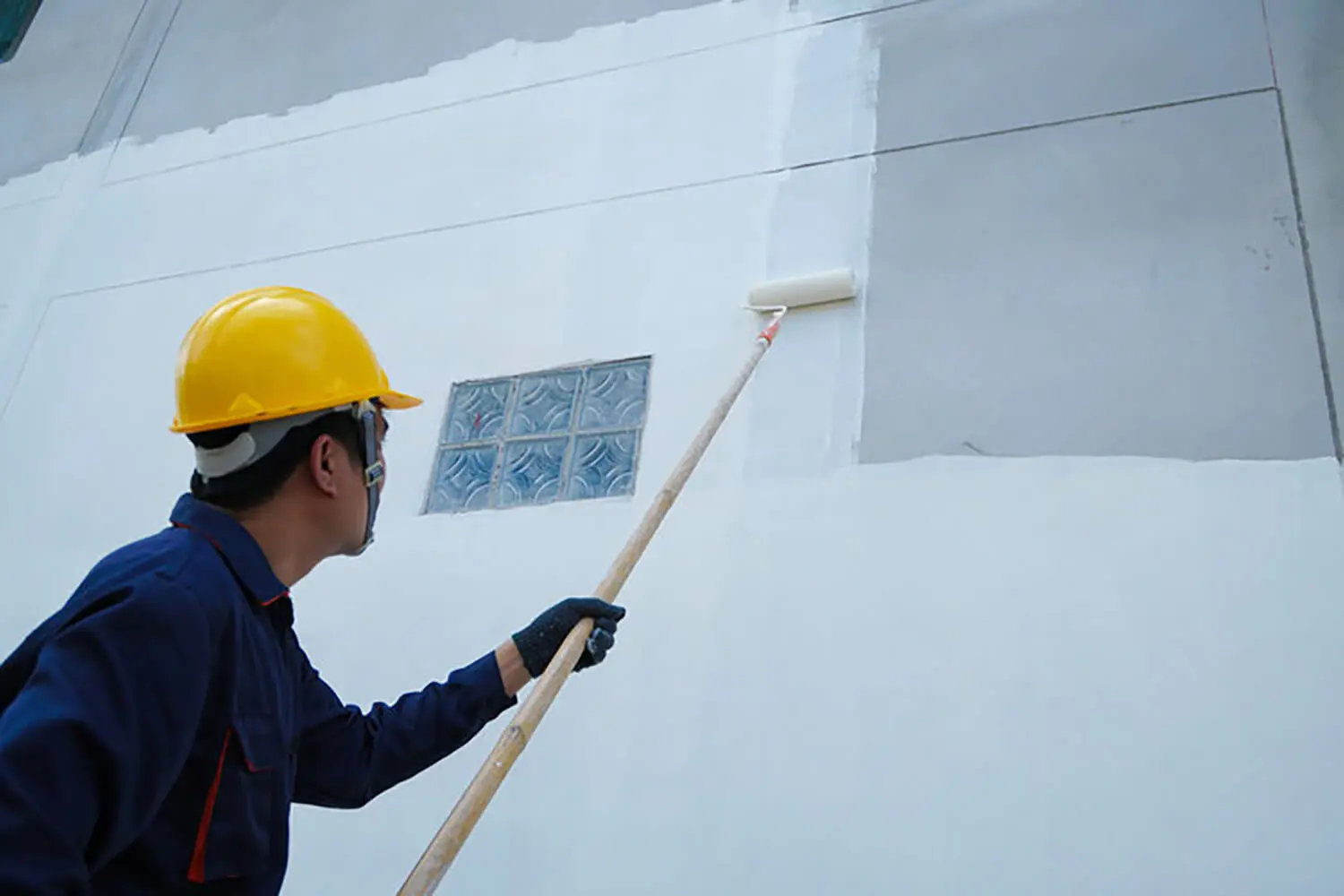
If you’re planning a commercial paint job, you probably want two things: a clean, professional result and minimal disruption to your day-to-day operations. But before you schedule anything, it’s normal to have questions about timeline, downtime, and what a professional crew should actually handle.
Commercial painting also isn’t one-size-fits-all. An office, retail space, and warehouse all run differently, and quotes can vary depending on scope, prep, and scheduling needs.
This guide answers the common questions about commercial painting projects that business owners and property managers ask most often—before booking, during the work, and right before final sign-off—so you know what to expect and what to confirm upfront.
What Does a Commercial Painting Project Usually Include?
Commercial painting can mean a lot of different things depending on the building and how it’s used, which is why professional commercial painting services are usually tailored to how a space actually functions day to day.Some projects are focused on interiors only. Others include exterior work, shared common areas, or high-traffic spaces that need more durability.
Commercial painting can cover areas like:
- Offices and conference rooms
- Retail spaces and storefronts
- Warehouses and industrial interiors
- Common areas in multi-tenant buildings
- Exterior walls, trim, and entrances
A professional scope usually includes more than just applying paint. The goal is to leave the space looking finished, clean, and ready to use again without obvious shortcuts.
What’s typically included in a commercial painting scope:
- Surface prep (cleaning, sanding, smoothing as needed)
- Patching and minor repairs where appropriate
- Priming when required for adhesion or coverage
- Coating application (walls, ceilings, trim, or other surfaces)
- Cleanup and a final walkthrough-ready finish
Defining scope early matters because it affects everything downstream.
It impacts:
- How long the project takes
- How large the crew needs to be
- What areas need restricted access
- How pricing is structured
A lot of commercial painting issues come from assumptions. When scope is clearly defined upfront, scheduling becomes easier and the project feels far more predictable from day one.
What Prep Work Is Included (And Why It Matters So Much)?
Prep is the part of a commercial painting project that most people don’t think about until something goes wrong. But it’s also what determines whether the finish looks clean and holds up—or starts wearing out early.
The reason prep matters is simple: paint only performs as well as the surface underneath it. If the surface is dirty, uneven, or failing, the new coating won’t bond correctly, no matter how good the paint is.
Common prep steps on commercial projects include:
- Cleaning to remove dust, residue, or buildup
- Sanding rough areas or glossy surfaces
- Patching dents, holes, and worn corners
- Caulking gaps for clean edges and sealed seams
- Priming repairs, stains, or surfaces that need better adhesion
Prep also changes depending on the surface type.
Drywall often needs patching, sanding, and smoothing so repairs blend cleanly. Concrete may need deeper cleaning and coatings designed to grip porous surfaces. Metal surfaces may require specific primers to prevent peeling or rust issues, especially on exteriors.
This is where low bids can look attractive but cause problems later. When prep gets skipped, the paint can fail fast.
Shortcuts often look like:
- Painting over failing or peeling coatings
- Skipping primer to save time
- Minimal repairs that don’t blend
- Little to no cleaning before application
If you want a commercial paint job that holds up, prep shouldn’t feel optional. It’s one of the biggest reasons professional work looks better and lasts longer.
What Paint Products Are Used for Commercial Buildings?
Commercial coatings aren’t the same as standard residential wall paint, mainly because commercial spaces deal with more traffic, more cleaning, and more wear.
In a business setting, walls and surfaces get touched constantly. They get wiped down more often. They’re exposed to things like scuffs, carts, equipment, moisture, and daily use that can break down lighter-duty paint fast.
That’s why product selection matters. The right coating helps the space look better longer and makes ongoing maintenance easier.
Commercial product choice is usually based on things like:
- Durability and wear resistance for high-traffic areas
- Washability for walls that need regular cleaning
- Moisture resistance for bathrooms, breakrooms, or humidity-prone areas
- Safety or performance requirements depending on the building type
The benefit of using the right commercial-grade products is that they tend to:
- Bond better to commercial surfaces
- Hold up longer under repeated cleaning
- Resist scuffing and marking more effectively
- Stay more consistent in sheen and appearance over time
This is also one reason quotes can vary. Two contractors might be painting the “same space,” but one may be using a higher-performance paint system designed for commercial use while the other is using a basic product that won’t hold up as well.
If you want a finish that lasts in a working environment, the coating system matters just as much as the color.
How Do We Choose Colors (And What If We’re Not Ready Yet)?
Color selection in a commercial space is usually about more than just what looks nice. The right choice needs to work with the lighting, match the purpose of the space, and hold up in a real working environment.
A few practical things to consider:
- Brand consistency, especially in customer-facing spaces
- Lighting (natural light and overhead lighting can shift how color looks)
- Traffic and wear, since darker or higher-contrast colors can show scuffs differently
- Durability needs, especially in hallways, entrances, and shared spaces
Color decisions also affect scheduling more than people realize. Approvals take time, materials may need to be ordered, and some spaces benefit from test patches so you can see the color in real lighting before committing.
If your colors aren’t final yet, you don’t have to stop the project from moving forward. The best approach is to lock the scope first, then finalize colors before the start date.
That way:
- The contractor can plan the project structure and timeline
- You can make color decisions without rushing
- The schedule stays intact without last-minute surprises
The key is to avoid choosing colors at the very last minute. When decisions are made early, the project runs smoother and you avoid delays that could have been prevented with a little planning.
How Long Does a Commercial Painting Project Take?
Commercial painting timelines vary a lot, because the “same type of job” can look completely different depending on the building, access, and how much prep is needed.
A small office refresh might take a few days, while larger or phased jobs can take longer depending on access, prep requirements, and sequencing—factors that directly affect how projects are scheduled in active commercial spaces. A multi-zone retail space or full commercial interior can take weeks, especially when work needs to happen in phases.
The timeline is usually driven by:
- Square footage and layout complexity
- Surface condition and repair needs
- Access restrictions (busy areas, tenant spaces, controlled entry)
- Number of coats and coating system requirements
- Drying time between coats, especially in humid conditions
There are also a few things that can speed a project up when everything is planned well.
What helps projects move faster:
- Clear work zones that stay accessible
- Consistent access to the space during work hours
- Quick approvals on colors, sheen, and scope decisions
- A phased plan that matches how the building operates
On the flip side, delays usually come from issues that show up mid-project.
Common causes of slowdowns include unexpected repairs, weather interruptions for exterior work, or change requests that alter the original scope.
What you should expect from a professional contractor is a phased schedule, not one vague date range. Commercial work runs smoother when the timeline is built around zones, access, and realistic drying and cure time—not optimistic guesses.
Will It Disrupt Our Business Operations?
Some disruption is normal during a commercial paint job, but it shouldn’t feel chaotic. A well-run project is planned around your operations so work happens in a way that keeps the space functional.
Most commercial painting is scheduled to reduce disruption through:
- After-hours or weekend work when needed
- Painting by zone, floor, or section instead of the whole space at once
- Scheduling around peak foot traffic and busy times
In real terms, disruption usually looks like a few predictable things:
- Noise during prep and setup
- Some paint smell during active application
- Certain areas being temporarily restricted
- Drying time where spaces can’t be used right away
What helps businesses stay functional during the work is simple coordination.
Clear communication is the biggest factor. Knowing what areas are being worked on, when they’ll be blocked off, and what the crew is doing next makes it easier for staff, tenants, or customers to move around without confusion.
Good signage and access planning matter too. If people know where to go and what to avoid, the project feels organized instead of disruptive.
The goal isn’t “no impact.” It’s a project plan that keeps disruption controlled, predictable, and easy to work around.
Do We Need to Close the Space or Move Furniture?
In most cases, you don’t need to fully shut down a commercial space for painting. But you may need to adjust how certain areas are used while work is happening, especially if the project is being completed in phases.
A professional crew will typically handle protection and basic moving needs, within reason. The goal is to keep the space clean, controlled, and safe while the work moves forward.
What painters usually protect or move:
- Floors and high-traffic walkways
- Fixtures and surfaces near the work area
- Equipment and furniture that’s in the way
- Adjacent surfaces that need masking or shielding
That said, there are a few things clients often handle ahead of time to keep the project smooth.
What you may need to handle:
- Valuables or personal items
- Sensitive electronics or specialized equipment
- Tenant or staff notifications if access will be restricted
- Clearing desks, shelves, or high-touch items as requested
This should be clarified before day one, because moving requirements can impact both timeline and cost. If the crew is expected to move large furniture, break down stations, or work around active setups, the project pace can change quickly.
The best approach is to confirm early what stays, what gets moved, and what needs to be cleared. That way there’s no confusion once the project starts and no delays caused by last-minute rearranging.
How Is Safety Handled on Commercial Painting Jobs?
Safety is a big part of commercial work, especially when the space is occupied or open to staff, tenants, or customers during the project. A professional crew should plan for safety in a way that feels organized, not disruptive.
This usually starts with site coordination. The crew should know where people will be walking, what areas need to stay accessible, and what spaces need to be blocked off completely.
On most commercial jobs, safety planning includes:
- Clear work zones with controlled access
- Signage for wet paint, blocked paths, or active work areas
- Ladders or lifts set up in a way that keeps walkways safe
- PPE and jobsite standards followed by the crew
Property managers and business owners are also protected by structure. A well-run job includes work zone planning, site rules, and communication with building staff so everyone knows what’s happening and where.
Before the project starts, it’s smart to clarify any site-specific requirements, such as:
- Restricted access areas or off-limits zones
- Insurance requirements or documentation needed
- Permits or building rules for exterior work
- Special access rules like alarms, key cards, or after-hours entry
When safety is handled properly, the project feels controlled and professional. It also reduces the risk of delays caused by access issues, traffic conflicts, or last-minute site concerns.
How Much Does Commercial Painting Cost?
Commercial painting pricing can vary a lot, even for spaces that look similar on paper. That’s because cost is driven by scope and conditions, not just square footage.
The biggest factors that influence pricing usually include:
- Size of the space and overall layout
- Surface condition and how much repair work is needed
- Prep level required for proper adhesion and durability
- Number of coats and the coating system being used
- Access challenges (heights, tight zones, lifts, stairwells)
- Operating hours and scheduling constraints (after-hours work can change labor needs)
This is also why two bids can come back with very different numbers. Often, they aren’t quoting the same scope.
One quote may include full prep, patching, priming, and cleanup. Another may assume minimal repairs, limited prep, or fewer included areas. On the surface they both look like “commercial painting,” but the job being delivered is different.
A good quote should clearly show:
- What areas are included and excluded
- What prep work is part of the scope
- What coatings or paint system are being used
- How the project will be phased and scheduled
- Any assumptions that affect cost (access, hours, moving requirements)
The goal isn’t just to get a number. It’s to understand what you’re paying for, and whether the finish will hold up the way a commercial space needs it to.
What Should We Do Before Scheduling the Project?
The easiest way to make a commercial painting project run smoothly is to handle a few key decisions before the start date is even on the calendar. When those details are clear, the job feels organized from day one. This is especially true for color decisions, since choosing finishes too late can slow ordering and approvals—reviewing paint color ideas early helps keep the schedule intact while still allowing time to evaluate how colors work with lighting, branding, and daily use.
Before scheduling, it helps to lock in:
- Confirmed scope (what areas are included and excluded)
- Final color and sheen decisions (or a deadline to finalize them)
- Access times and approved working hours
- A single point of contact for day-to-day questions
- Work zones and how the space will stay functional
It also helps to prep internally so your team isn’t caught off guard once work begins.
Simple internal prep includes:
- Letting staff or tenants know what to expect
- Setting expectations around restricted areas and temporary changes
- Moving or securing sensitive items or equipment
- Identifying any off-limits zones or special access rules
Planning early makes scheduling easier too. Commercial painters often book in advance, and the best time slots go quickly—especially if you need after-hours work or a tight timeline.
Even a little lead time gives you more flexibility, better planning options, and fewer disruptions once the project starts. It’s the difference between reacting mid-job and feeling prepared from the beginning.
How Do We Know the Job Is Done (And Done Right)?
The final stage of a commercial painting project shouldn’t feel like a guess. A professional crew should walk the space with you, confirm the scope was completed, and make sure everything looks clean and consistent before sign-off.
A final walkthrough should include checks for:
- Consistent coverage with no thin or patchy areas
- Clean edges and transitions around trim, doors, and corners
- Repaired areas that blend smoothly into the surrounding wall
- Even sheen with no obvious flashing or roller marks
It’s also normal for small touch-ups to happen at this stage. That’s not a red flag — it’s part of finishing the job properly. The key is that touch-ups are handled quickly and the space ends in a polished, complete state.
When the project is done, the crew should leave behind:
- A clean site with coverings removed
- Work areas cleared and ready for normal use
- Any access items returned (keys, badges, notes for alarms if applicable)
- Clear communication that the job is complete and reviewed
“Done” should mean the space feels finished, clean, and business-ready. No mess left behind, no confusion about what was completed, and no lingering areas that look half-finished or rushed.
Quick Wrap-Up Before You Book
Commercial painting is much easier when the scope and timing are clear upfront. When everyone knows what areas are included, how the work will be phased, and what access is needed, the project stays predictable.
Prep quality and communication matter just as much as paint color. Good prep is what makes the finish last, and good coordination is what keeps disruption manageable while the work happens.
The best commercial paint jobs don’t feel chaotic. They feel organized: clear plan, clear schedule, and a clean result that’s ready for normal business use right away.
If you want a project that runs smoothly from start to sign-off, Marsh Paint Co. can walk your space and build a clear commercial painting plan based on your scope, timeline needs, and minimal-disruption scheduling. Reach out to schedule a walkthrough and get an estimate that’s detailed, realistic, and easy to plan around.