
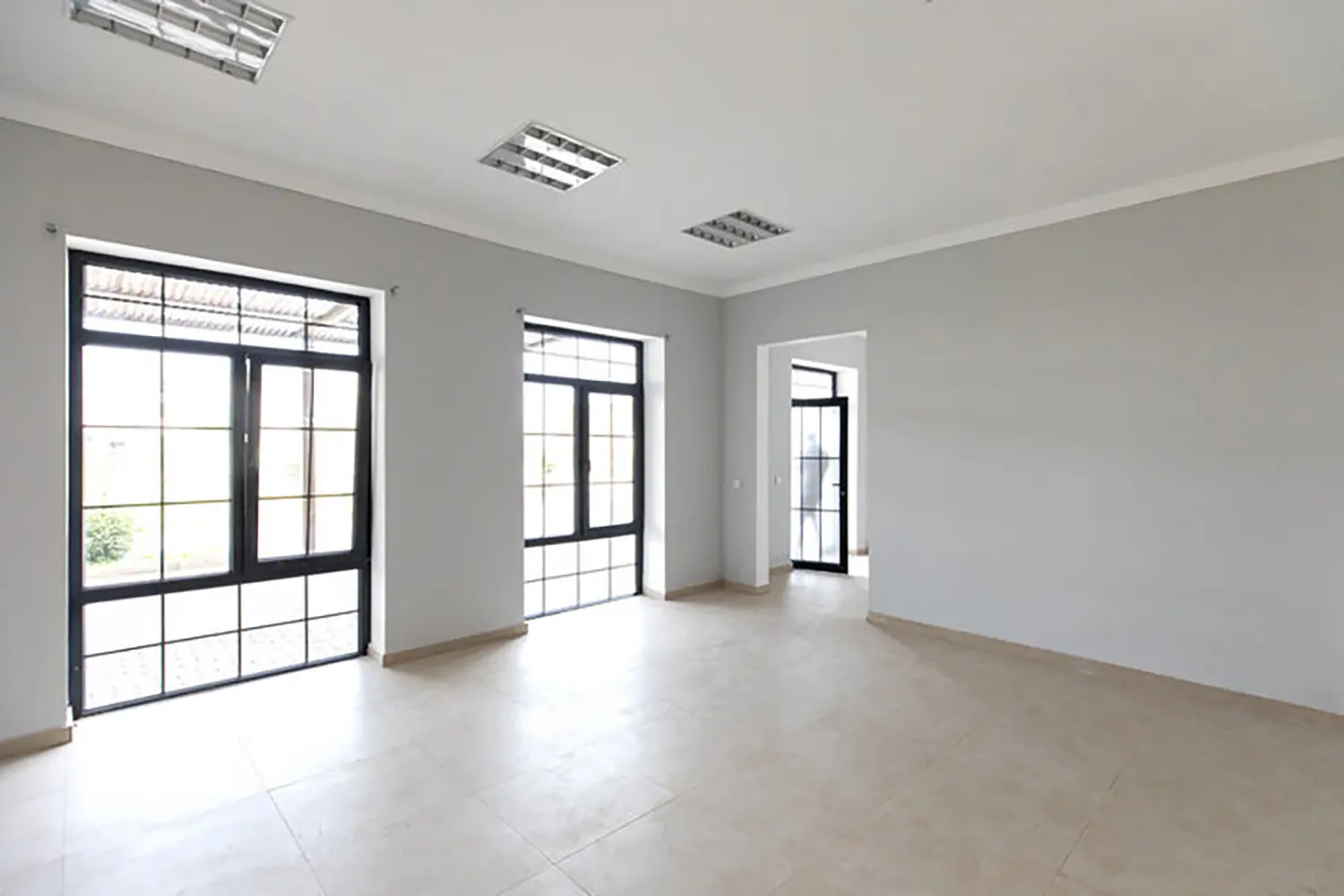
Scheduling a commercial painting project often seems straightforward until it starts affecting daily operations, access, and timelines. Many business owners don’t run into problems because of the painting itself, but because the scheduling decision was made before all the practical details were thought through. That’s where frustration, delays, and unexpected disruptions tend to creep in.
If you’re trying to figure out what to consider before scheduling commercial painting, the real question usually isn’t about paint or colors. It’s about readiness. Is the space prepared? Can the work happen without interrupting customers or staff? Are there timing limits that make certain dates unrealistic? These are the kinds of questions that shape whether a schedule holds or starts slipping almost immediately.
This topic matters because commercial spaces operate differently than homes. Businesses have hours to protect, people moving through the space, security concerns, and other work happening at the same time. Scheduling without accounting for those realities can turn a routine project into a logistical headache.
The goal of this article is to help you think through the real-world factors that affect scheduling decisions, so you can choose a timeline that actually works for your business instead of reacting to problems after the fact.
How the Painting Schedule Affects Your Business Operations
When commercial painting is scheduled, the biggest impact is often felt in daily operations rather than on the walls themselves. How your business functions during the work plays a major role in determining whether a schedule is realistic or disruptive.
For some businesses, painting during normal hours may be manageable. For others, even small interruptions can affect revenue, safety, or customer experience. Understanding how the work overlaps with operations helps prevent surprises once the project starts.
Common operational factors to think through include:
- Customer or client traffic moving through painted areas
- Employees needing access to workspaces, equipment, or storage
- Noise, odors, and visual disruption during business hours
- Temporary room closures, blocked hallways, or restricted entrances
Access is another key issue. Painters may need consistent entry to certain areas, which can conflict with meetings, appointments, or peak business hours. In healthcare, hospitality, or retail spaces, careful staging plays a big role in boosting business appeal without disrupting daily operations.
It’s also important to consider how flexible your operations truly are. A schedule that works on paper may fall apart if staff need to constantly stop work, move furniture back and forth, or redirect customers around active painting zones.
In many cases, the best scheduling window is determined less by availability on the calendar and more by how much disruption your business can realistically absorb. Taking time to think through these operational impacts upfront helps ensure the painting schedule supports your business instead of working against it.
Whether the Space Is Ready for Painters to Begin
Even when a date looks open on the calendar, the space itself may not be ready for painting to start. Readiness issues are one of the most common reasons commercial painting schedules get delayed or adjusted after they’re already booked.
Before painters arrive, the space needs to allow efficient, uninterrupted work. That often requires more preparation than business owners initially expect.
Some of the most common readiness factors include:
- Furniture, equipment, or inventory that needs to be moved or covered
- Work areas that must be cleared to allow ladders, lifts, or scaffolding
- Sensitive items that require extra protection from dust or overspray
Access and security can also affect readiness. Commercial painters may need keys, badges, alarm codes, or escorts to reach certain areas. If after-hours work is planned, those arrangements need to be in place ahead of time to avoid lost time on the first day.
Wall and surface conditions matter as well. Damaged drywall, peeling coatings, water stains, or uneven surfaces often require repairs before painting can begin. If those issues aren’t identified early, they can push back the start date while repairs are addressed.
When planning a commercial painting project, assuming the space will “be ready by then” without confirming details often leads to frustration. Verifying that the space is fully prepared before scheduling helps the project start smoothly and keeps the timeline intact.
Timing Constraints That Limit When Painting Can Happen
Not every open date on the calendar is a practical option for commercial painting. Timing constraints often narrow the window far more than expected, especially when environmental and building conditions come into play.
Seasonal factors can affect both exterior and interior work. Exterior painting is heavily influenced by temperature, moisture, and weather stability, which can rule out certain weeks or months entirely. Interior projects are less weather-dependent, but they can still be affected by humidity levels, ventilation, and how consistently the building maintains temperature during and after painting.
The type of building also matters. Older structures may struggle with airflow or temperature control, which can slow curing times and affect how finishes perform. Spaces with limited ventilation may require scheduling adjustments to allow for proper drying without disrupting occupants.
Interior and exterior timelines rarely operate the same way. Exterior work often requires longer stretches of suitable conditions, while interior painting may need to be scheduled around occupancy patterns or specific days when disruption is lowest.
Because of these limits, the “ideal” time to paint isn’t always the soonest available slot. In many cases, waiting for the right conditions leads to better results and fewer schedule changes than forcing a project into a window that doesn’t truly support the work.
How Painting Needs to Be Coordinated With Other Work
Commercial painting rarely happens in isolation. In many buildings, other work is happening at the same time or planned shortly before or after painting, and coordination plays a major role in whether the schedule holds.
Painting that happens too early can be damaged by later work. Flooring installation, electrical updates, HVAC adjustments, or renovations often involve dust, tools, and movement that can scuff or mark freshly painted surfaces. When painting is scheduled before those tasks are finished, touch-ups or rework become likely.
Scheduling painting too late can create its own problems. If painting is left until the very end, it may delay occupancy, reopening, or final inspections. In tenant spaces or multi-use buildings, this can cause conflicts with move-in dates or handoffs.
Coordination issues also show up when multiple trades need access to the same areas. Narrow hallways, shared work zones, or limited access points can slow everyone down if schedules aren’t aligned. Even small overlaps can create bottlenecks that push timelines off track.
When planning a commercial painting project, the sequence matters just as much as the date. Aligning painting with other work helps minimize downtime, protects finished surfaces, and reduces the chances of having to reschedule after the project is already on the calendar.
What Scheduling Assumptions Commonly Cause Problems
Many scheduling issues start with unanswered details that come up again and again in common commercial painting questions. These assumptions often feel reasonable at the time, yet they tend to create delays or disruptions once the project begins.
Some of the most common scheduling assumptions include:
- Assuming the space will be fully ready without confirming prep details
- Expecting painting to fit neatly around normal business operations
- Underestimating how long prep, repairs, or drying will take
- Believing access, security, or after-hours entry will be easy to arrange later
- Treating the scheduled start date as fixed rather than conditional
Another frequent issue is assuming all commercial spaces behave the same way. Offices, medical facilities, retail spaces, and industrial buildings each have different constraints that affect timing. Applying a one-size-fits-all schedule often leads to friction once work begins.
There is also a tendency to plan optimistically. Business owners may expect minimal disruption, quick turnaround, or perfect coordination without building in flexibility. When reality doesn’t match those expectations, schedules start shifting.
Recognizing these assumptions early allows for more realistic planning. By questioning them before scheduling, businesses can avoid last-minute changes and choose a timeline that reflects how the space actually functions.
Pulling the Considerations Together Before You Schedule
Scheduling commercial painting works best when it’s treated as a decision informed by real conditions, not just availability on a calendar. Business operations, space readiness, timing limits, coordination with other work, and common assumptions all shape whether a schedule holds or needs to be adjusted once work begins.
When these factors are thought through ahead of time, painting becomes far easier to manage. Disruptions are reduced, access issues are resolved early, and timelines feel predictable instead of stressful. When they’re overlooked, even a well-intentioned schedule can unravel quickly, leading to delays, added costs, or frustration for everyone involved.
Taking a step back before scheduling allows you to choose a timeline that fits how your business actually operates. It also creates clearer expectations for everyone involved, from staff and tenants to the painting crew itself. The result is a smoother project that feels planned rather than reactive.
If you are considering scheduling a commercial painting project, we are here to help you plan it the right way. At Marsh Paint Co., we take the time to understand how your business operates, what your space requires, and when painting can happen with the least disruption. Our commercial painting services are built around clear planning, reliable scheduling, and smooth execution. When you are ready to move forward, we are happy to talk through your timeline and help you schedule a project that fits your space and your operations.